


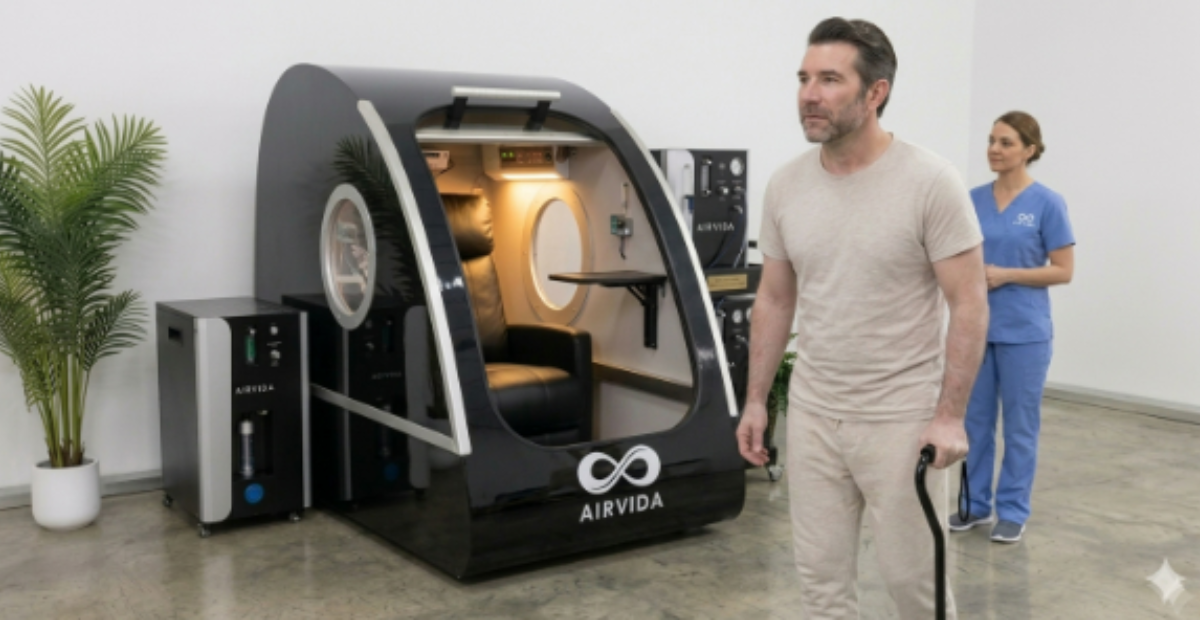
Hyperbaric oxygen therapy (HBOT) delivers 100% oxygen at increased atmospheric pressure, and research indicates it offers meaningful benefits for stroke patients, particularly during the subacute and chronic recovery phases. Studies show clinically significant cognitive improvements in a substantial majority of post-stroke patients receiving HBOT, and a landmark randomized controlled trial confirmed neurological improvement even years after the initial stroke event. Evidence for the acute phase remains limited, and this remains an area of ongoing clinical investigation.
Key Takeaways
-
Hyperbaric oxygen therapy has demonstrated clinically significant cognitive improvements in post-stroke patients even when treatment begins more than a year after the stroke event.
-
A 2013 randomized controlled trial published in PLOS One found that HBOT produced significant neurological improvements in chronic stroke patients who had experienced their stroke six to thirty-six months prior.
-
A 2025 Frontiers in Neurology bibliometric analysis confirmed HBOT's safety and efficacy during the subacute and chronic phases of stroke, while noting insufficient data for the acute phase.
-
Minor side effects such as ear barotrauma and transient myopia can occur, but serious complications including seizures and pulmonary oxygen toxicity are extremely rare.
-
The evidence base for HBOT in stroke recovery is growing, with multiple ongoing clinical trials examining both acute and chronic applications.
-
Stroke patients considering HBOT should consult a qualified physician to determine whether the therapy is appropriate given their individual medical history and stroke type.
How Does Hyperbaric Oxygen Therapy Work for Stroke Patients?
Hyperbaric oxygen therapy is a treatment approach in which a patient breathes 100% pure oxygen inside a pressurized chamber, increasing the amount of oxygen dissolved in the bloodstream and delivered to brain tissue. After a stroke, portions of the brain that were deprived of oxygen may remain in a compromised but potentially recoverable state, sometimes called the "ischemic penumbra." HBOT targets this tissue by flooding it with oxygen that standard breathing cannot deliver.
The proposed biological mechanisms include increased oxygen delivery to oxygen-deprived tissue, decreased cerebral edema, inhibition of leukocyte activation, and maintenance of blood-brain barrier integrity. Pre-clinical research also points to reductions in oxidative stress, inflammation, and neural apoptosis. These effects collectively may support improved functional recovery following stroke.
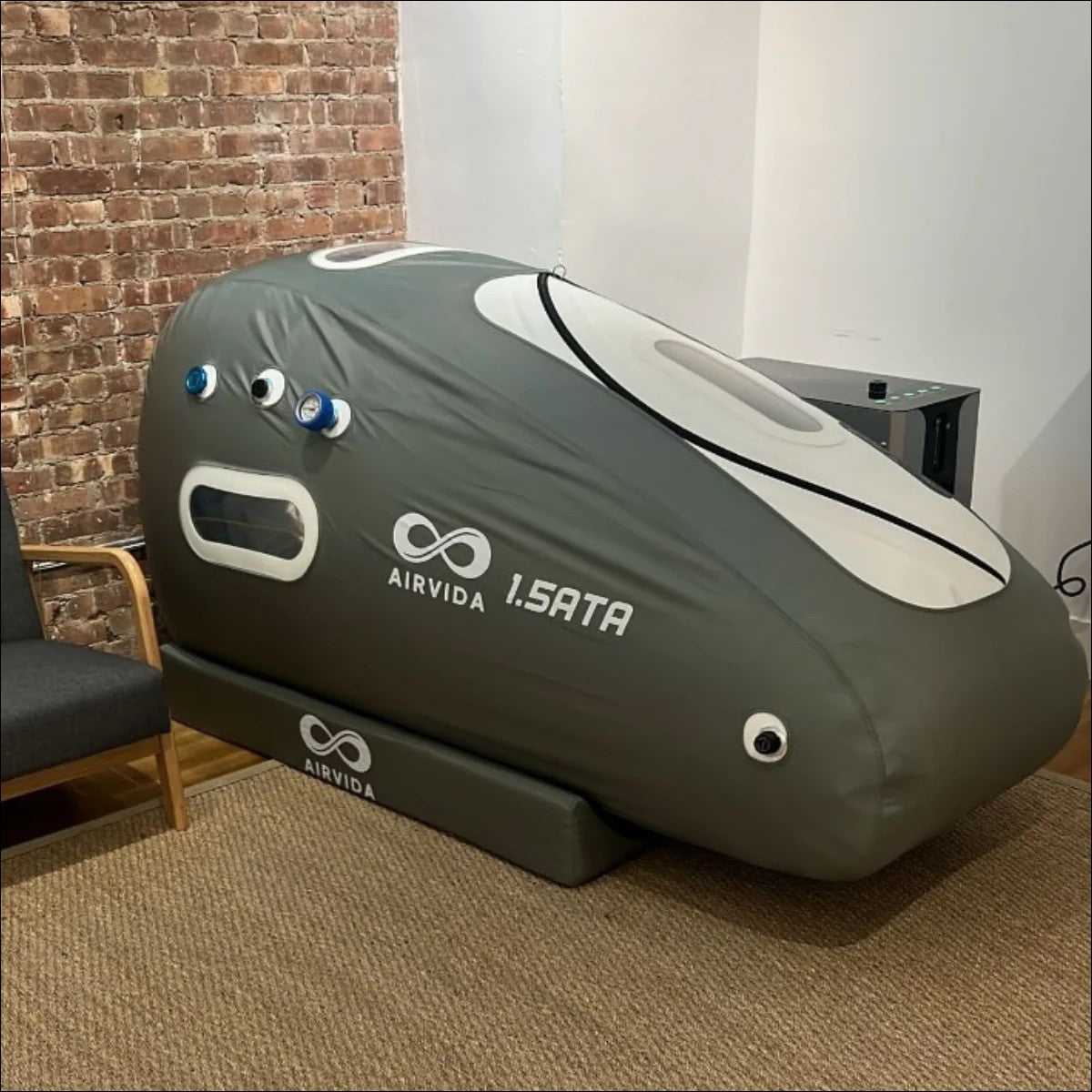
HBOT is delivered inside a pressurized vessel, either a monoplace chamber designed for one person or a multiplace chamber accommodating several patients simultaneously. Pressure is typically set between 1.5 and 2.5 atmospheres absolute (ATA), and sessions commonly run between 60 and 90 minutes. The bottom line is that HBOT increases brain oxygen availability through mechanisms that go beyond what normal breathing at sea-level pressure can achieve.
What Does the Research Say About Chronic Stroke Recovery?

The strongest clinical evidence for HBOT in stroke patients comes from studies examining the chronic and subacute recovery phases, not the immediate post-stroke window. A prospective, randomized controlled trial published in PLOS One in 2013 by Efrati and colleagues enrolled 74 patients who had experienced a stroke between six and thirty-six months prior and retained at least one motor dysfunction.
Participants in the treatment group completed forty HBOT sessions over two months, each session lasting ninety minutes at 100% oxygen and 2 ATA pressure. Neurological functions and quality of life improved significantly following the HBOT sessions, while no improvement was observed during the control period. This finding was particularly notable because conventional medicine generally assumes limited recovery potential beyond the first months after a stroke.
A separate study of ninety-one patients with ischemic or hemorrhagic stroke reported in NeurologyLive in 2026 found that HBOT produced statistically significant improvements across all memory measures. A 2025 Frontiers in Neurology bibliometric analysis confirmed that current evidence supports HBOT's safety and efficacy during both the subacute and chronic phases of stroke recovery. The key point is that the chronic phase, not the acute phase, currently represents the strongest evidence base for HBOT in stroke patients.
Hyperbaric Chambers You May Want to Shop
Explore More


What Are the Cognitive Benefits of Hyperbaric Oxygen Therapy After Stroke?
Hyperbaric oxygen therapy has been associated with measurable improvements in memory, attention, and overall cognitive function in post-stroke patients, with one analysis reporting clinically significant improvement in 86% of treated patients. The 86% figure, drawn from a Frontiers in Neurology analysis published in 2025, was defined as a 7.5-point or greater absolute increase in standardized cognitive domain scores, representing a meaningful threshold rather than a marginal statistical effect.
Post-stroke cognitive impairment is a common and often overlooked consequence of stroke, affecting daily functioning and quality of life long after physical rehabilitation has plateaued. Research suggests that HBOT may stimulate late neuroplasticity, meaning the brain can continue remodeling and forming new neural pathways in response to the increased oxygen environment. This concept, supported by imaging data in several trials, offers a mechanistic explanation for the cognitive gains observed even in patients treated years after their stroke.
For patients managing both stroke recovery and related cognitive conditions, research on hyperbaric therapy for dementia may also be relevant given the overlapping pathways involved in brain oxygenation and neuroplasticity. The key point is that cognitive recovery, not just motor function, appears to be a meaningful target for HBOT in the post-stroke population.
How Does HBOT Compare to Standard Stroke Rehabilitation?
Hyperbaric oxygen therapy is not a replacement for standard stroke rehabilitation but is increasingly studied as a complementary intervention that may extend the window of neurological recovery. Standard post-stroke rehabilitation typically includes physical therapy, occupational therapy, and speech-language therapy, all of which are considered the foundation of functional recovery after stroke.
The table below summarizes how HBOT compares to conventional rehabilitation approaches across key dimensions:
|
Feature |
Standard Rehabilitation |
Hyperbaric Oxygen Therapy |
|
Primary target |
Motor and functional skills |
Brain oxygenation, neuroplasticity |
|
Evidence level (acute stroke) |
Strong |
Limited, ongoing investigation |
|
Evidence level (chronic stroke) |
Moderate |
Growing, with positive RCT data |
|
Mechanism |
Neuroplasticity via repetitive training |
Increased dissolved oxygen, reduced neuroinflammation |
|
Side effect profile |
Muscle soreness, fatigue |
Ear barotrauma, transient myopia (rare serious events) |
|
Session duration |
30-60 minutes typical |
60-90 minutes typical |
|
Setting |
Clinic, hospital, home |
Specialized chamber facility |
Research suggests the two approaches are not mutually exclusive. Several clinical protocols have combined HBOT with conventional therapy, and some trials report additive benefits when the two are used together. The bottom line is that HBOT is best understood as a potential adjunct to, not a replacement for, established rehabilitation programs.
Is Hyperbaric Oxygen Therapy Effective in the Acute Phase of Stroke?
Evidence for HBOT in the acute phase of ischemic stroke is currently insufficient to confirm significant clinical benefit, and this remains an active area of ongoing investigation. A 2024 meta-analysis published in BMC Neurology analyzed eight randomized studies involving 493 patients and found no statistically significant differences between HBOT and control groups in neurological severity scores, functional outcomes, or inflammatory markers.
An earlier study examining a protocol of 2.5 ATA for 60 minutes found the protocol to be safe and feasible but concluded it did not produce measurable efficacy for acute ischemic stroke. Multiple clinical trials are currently underway, including multicenter randomized studies evaluating HBOT after stroke thrombectomy, which may clarify whether specific patient subgroups or timing windows yield better outcomes. The logistical challenge of delivering pressurized oxygen therapy during the narrow acute treatment window adds a layer of complexity that has made definitive study design difficult.
The key point is that while the acute phase remains an area of active research, the current evidence base does not support concluding that HBOT is effective when administered immediately after stroke onset. Patients and clinicians should distinguish between the acute and chronic evidence contexts when evaluating HBOT as an option.
What Are the Proposed Neuroplasticity Mechanisms Behind HBOT?

Neuroplasticity is the brain's ability to reorganize itself by forming new neural connections, and HBOT is believed to stimulate this process through increased cerebral oxygenation and metabolic support of dormant neurons. The 2013 PLOS One trial by Efrati and colleagues used SPECT imaging to demonstrate increased activity in brain regions that had previously shown reduced perfusion, providing direct physiological evidence of neural reactivation following HBOT.
Pre-clinical models have consistently shown that HBOT reduces inflammation in brain tissue, suppresses oxidative damage, and decreases the rate of programmed cell death in neurons surrounding the stroke area. These cellular-level effects collectively support an environment in which dormant but surviving neurons can resume function. Researchers have also identified increases in circulating endothelial progenitor cells following HBOT, which are involved in repairing blood vessel walls and restoring cerebral blood flow.
Whether these mechanisms translate uniformly to human clinical outcomes remains an area of ongoing investigation, particularly across different stroke types and severities. The key point is that the biological rationale for HBOT in stroke recovery is well-supported by pre-clinical and imaging evidence, even where large-scale clinical trial confirmation is still accumulating.
What Are the Safety Considerations and Contraindications for HBOT?
Hyperbaric oxygen therapy is considered a generally safe intervention when administered under appropriate medical supervision, with serious adverse events classified as extremely rare. Minor side effects related to increased atmospheric pressure include middle ear barotrauma, sinus discomfort, and temporary changes in vision (transient myopia), all of which typically resolve after treatment ends.
Serious complications, including oxygen toxicity seizures and pulmonary edema, are extremely rare when established pressure and duration protocols are followed. Claustrophobia is reported by some patients, particularly in monoplace chambers, and can typically be managed with patient education or mild anxiolytic support. Patients with certain cardiac conditions, active respiratory infections, or untreated pneumothorax require individual clinical evaluation before starting HBOT.
If you are located near a chamber facility, resources are available for hyperbaric chamber Little Rock, hyperbaric chamber Des Moines, hyperbaric chamber Sioux Falls, and hyperbaric chamber Portland Maine to help you find a local option. The bottom line is that HBOT carries a favorable safety profile for most stroke patients, but individual medical evaluation is essential before beginning any HBOT protocol.
Hyperbaric Collections You May Want to Shop

What Should Stroke Patients Know Before Starting Hyperbaric Therapy?
Stroke patients considering HBOT should discuss their complete medical history with a physician experienced in hyperbaric medicine before beginning treatment. Key factors that influence candidacy include stroke type (ischemic versus hemorrhagic), time since the stroke event, current medications, cardiovascular status, and pulmonary health.
A typical HBOT protocol studied in chronic stroke trials involves forty sessions over approximately eight weeks, each lasting ninety minutes at 2 ATA. Shorter or less intensive protocols may produce different outcomes, and the optimal number of sessions for stroke recovery has not been definitively established. Patients should ask their provider about the specific protocol to be used and how outcomes will be monitored.
Insurance coverage for HBOT in stroke recovery varies widely, and patients should confirm coverage and out-of-pocket costs before committing to a treatment course. The key point is that informed, physician-guided decision-making is essential when considering HBOT as part of a post-stroke recovery plan.
What Is the Bottom Line on Hyperbaric Chamber Benefits for Stroke Patients?

The clinical evidence for hyperbaric oxygen therapy in stroke recovery is most robust in the chronic and subacute phases, where randomized controlled trial data and retrospective analyses have demonstrated meaningful improvements in neurological function and cognitive performance. The acute phase evidence base remains limited, with ongoing trials expected to provide clearer guidance in the coming years.
For stroke survivors who have plateaued with conventional rehabilitation, HBOT represents a scientifically grounded option worth discussing with a qualified physician. The therapy's favorable safety profile and growing body of evidence, particularly for cognitive recovery, make it an area that both patients and clinicians should understand.
The bottom line: hyperbaric oxygen therapy shows the strongest evidence for benefit in chronic-phase stroke recovery, with research demonstrating significant neurological and cognitive improvements in patients treated months to years after their stroke event.
Frequently Asked Questions
Can hyperbaric oxygen therapy be used to treat strokes?
Yes, hyperbaric oxygen therapy can be used as a complementary treatment for stroke patients, particularly during the chronic recovery phase. Clinical trial data supports its use in patients who experienced a stroke six months to several years prior. Evidence for acute-phase stroke treatment remains limited and is under active investigation.
What is the best therapy for stroke patients?
Standard stroke rehabilitation, including physical therapy, occupational therapy, and speech-language therapy, remains the established foundation of post-stroke treatment. Hyperbaric oxygen therapy is increasingly studied as a complementary adjunct, particularly for patients in the chronic phase who have plateaued with conventional approaches. The optimal combination depends on individual stroke type, severity, and recovery goals.
Are hyperbaric chambers good for the brain?
Hyperbaric chambers deliver elevated oxygen concentrations to brain tissue, which pre-clinical and clinical research links to reduced neuroinflammation, decreased cell death, and stimulation of neuroplasticity. A 2025 Frontiers in Neurology analysis found clinically significant cognitive improvements in 86% of post-stroke patients treated with HBOT. The therapy is not a universal brain treatment but shows evidence-supported benefits in specific neurological conditions.
What helps strokes heal faster?
Early intervention with established medical treatments, followed by prompt initiation of physical, occupational, and speech therapy, is the most evidence-supported approach to accelerating stroke recovery. Adequate sleep, proper nutrition, and management of cardiovascular risk factors also support healing. Complementary approaches like HBOT are increasingly studied as adjuncts, particularly for patients in the chronic recovery phase.
What heals the brain after a stroke?
The brain heals after stroke through a process called neuroplasticity, where surviving neurons form new connections to compensate for damaged areas. Rehabilitation therapies directly stimulate this process through repetitive, task-specific practice. Research suggests that HBOT may support neuroplasticity by oxygenating dormant but surviving neurons, potentially reactivating tissue that standard rehabilitation alone cannot reach.