


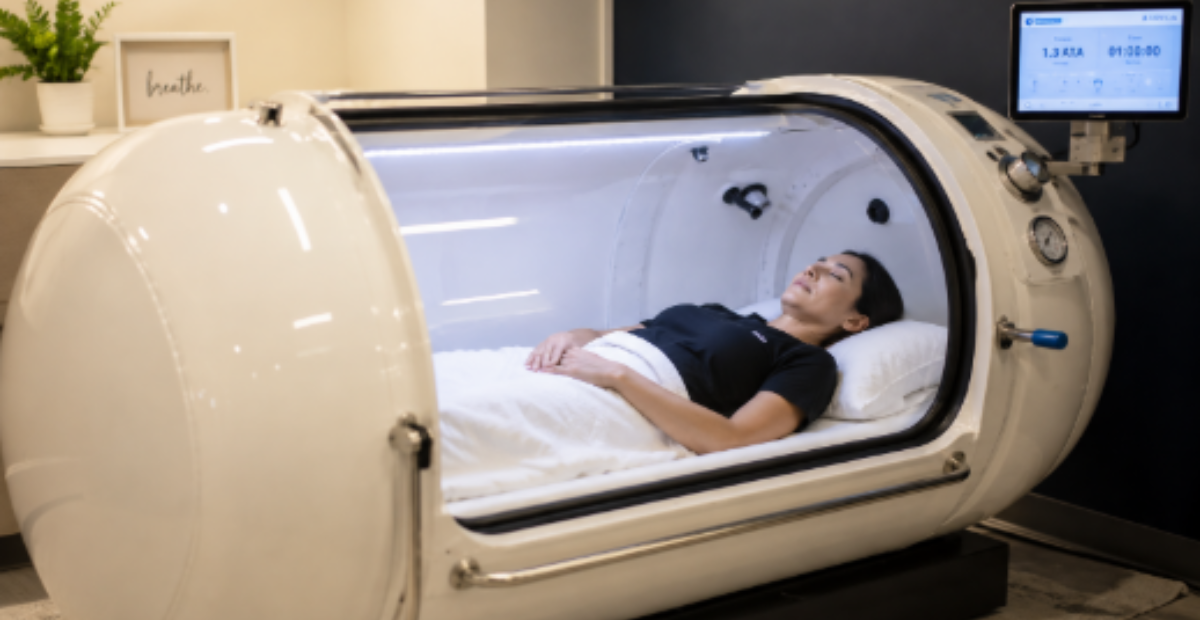
Hyperbaric oxygen therapy (HBOT) works by delivering high-concentration oxygen to your tissues under elevated atmospheric pressure, accelerating healing, reducing inflammation, and supporting cellular repair. To get the most from your sessions, you need to approach the therapy with intention: the right session frequency, proper preparation, complementary lifestyle habits, and the correct chamber settings all make a measurable difference in outcomes.
Key Takeaways
-
Session frequency and total dive count directly affect how much benefit you receive from HBOT.
-
Hydration, nutrition, and avoiding alcohol before sessions significantly influence oxygen absorption.
-
Pressure level selection matters: different conditions respond better at different ATA settings.
-
Combining HBOT with complementary therapies like red light therapy can amplify recovery results.
-
Chamber quality and certification play a critical role in both safety and treatment effectiveness.
-
Tracking your symptoms between sessions gives you actionable data to adjust your protocol.
Why Session Frequency and Total Dive Count Are the Foundation
The single most common mistake people make with HBOT is treating it like a one-and-done procedure. Oxygen therapy works cumulatively. Each session builds on the last by stimulating angiogenesis (the growth of new blood vessels), reducing oxidative stress, and gradually saturating hypoxic tissues with oxygen. Missing sessions or spacing them too far apart breaks this cumulative chain.
Clinical protocols typically recommend between 20 and 40 sessions for most therapeutic goals, though chronic conditions sometimes require more. If you are curious about the specifics, understanding how many dives do you need in hbot gives you a realistic framework based on condition type and severity. Neurological recovery, for instance, often requires 40 or more sessions, while wound healing may show significant progress in 20 to 30.
Consistency matters just as much as total count. Most clinical programs run sessions five days a week. If your schedule allows only three sessions weekly, you should expect a longer timeline to achieve the same outcomes. Plan your calendar in advance and treat each session like a medical appointment you cannot skip.
Hyperbaric Collections You May Want to Shop

Choosing the Right Pressure Level for Your Condition
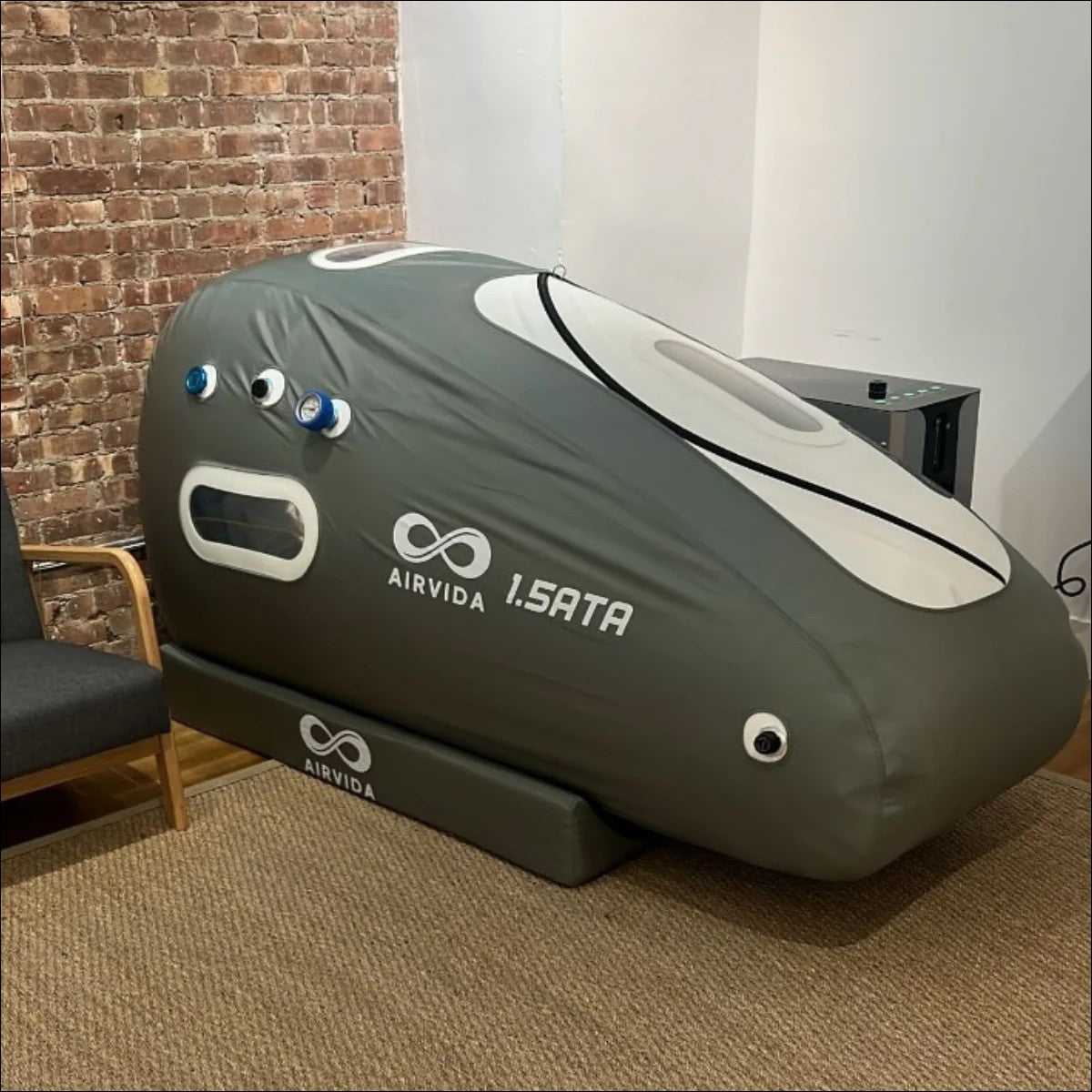
Not all HBOT sessions are equal, and pressure level is one of the biggest variables separating effective treatment from underwhelming results. Pressure is measured in atmospheres absolute (ATA). Most mild HBOT chambers operate at 1.3 to 1.5 ATA, while medical-grade chambers can reach 2.0 to 3.0 ATA depending on the condition being treated.
Higher pressure does not automatically mean better outcomes. Wound healing and diabetic ulcers often see the best results at 2.0 to 2.4 ATA. Carbon monoxide poisoning treatment protocols typically use 2.5 to 3.0 ATA. Wellness and performance recovery applications frequently sit in the 1.3 to 1.5 ATA range. Matching pressure to purpose is essential. You can browse options by pressure rating and find the right fit for your goals when you choose by ata to compare chamber models based on your specific therapeutic needs.
Hyperbaric Chambers You May Want to Shop
Explore More


How Chamber Certification Affects Outcome Quality
Beyond pressure settings, the structural integrity and certification of the chamber you use affects both safety and treatment precision. Chambers that meet the ASME PVHO-1 standard are built and tested to strict engineering codes governing pressure vessels designed for human occupancy. Using a non-certified chamber at high pressure introduces real risk and may also result in inconsistent pressure delivery, which compromises the therapy itself. If you are investing in a personal or clinical unit, reviewing asme pvho 1 hyperbaric chambers is a smart starting point for finding equipment that meets the highest safety benchmarks.
|
Pressure Level (ATA) |
Common Use Case |
Typical Session Count |
|
1.3 - 1.5 |
Wellness, sports recovery, cognitive support |
10-20 sessions |
|
1.5 - 2.0 |
Mild to moderate wound healing, inflammation |
20-30 sessions |
|
2.0 - 2.4 |
Diabetic ulcers, radiation injury, post-surgery |
30-40 sessions |
|
2.5 - 3.0 |
Carbon monoxide poisoning, severe infections |
Per acute protocol |
Pre-Session Preparation That Directly Impacts Absorption
What you do in the two to four hours before an HBOT session influences how much oxygen your body actually absorbs and uses. These are not vague wellness tips. They are physiologically grounded practices that affect plasma oxygen levels.
Hydration: Blood viscosity drops when you are well-hydrated, which allows plasma to carry dissolved oxygen more efficiently. Drink at least 16 oz of water in the hour before your session. Avoid diuretics like coffee and alcohol on session days.
Avoid smoking and nicotine: Nicotine causes vasoconstriction, narrowing the blood vessels that the therapy is trying to saturate with oxygen. Smoking even a few hours before a session measurably reduces the peripheral oxygen delivery that HBOT is designed to enhance.
Eat a light, high-antioxidant meal: HBOT temporarily increases oxidative stress as part of its mechanism. Fueling your body with antioxidant-rich foods, including berries, leafy greens, and nuts, gives your cells the tools to convert that oxidative signal into repair activity rather than damage.
Avoid alcohol for 24 hours before sessions: Alcohol impairs mitochondrial function and suppresses the immune response, both of which directly undercut the cellular repair processes HBOT activates.
Complementary Therapies That Amplify HBOT Outcomes

One of the most underutilized strategies for how to maximize hbot results is combining HBOT with other evidence-supported recovery modalities. These pairings are not arbitrary. The mechanisms of each therapy interact in ways that produce results neither modality achieves alone.
Red Light Therapy
Red light therapy (photobiomodulation) works at the mitochondrial level, stimulating ATP production and reducing cellular inflammation. When used alongside HBOT, both therapies target cellular energy production through different pathways, creating a synergistic effect. Research has shown particular promise in neurological recovery and wound healing when the two are combined. If you want to understand the broader picture of recovery tools, exploring red light therapy and vibration plate benefits provides useful context for how stacking modalities can push recovery timelines forward.
Exercise Timing
Light aerobic exercise, specifically a 20-minute walk or cycling session, performed within one to two hours after HBOT can extend the vasodilatory effects of the therapy. During exercise, your muscles demand more oxygen and increase blood flow, which helps transport the elevated plasma oxygen levels into tissues that need repair. Avoid intense exercise immediately before a session since it depletes oxygen stores and increases lactic acid.
Sleep Quality
HBOT stimulates growth hormone production and activates cellular repair processes that peak during deep sleep. If your sleep quality is poor, you are leaving a significant portion of those repair signals on the table. Prioritizing 7 to 9 hours of sleep on days when you have HBOT sessions is not optional for serious protocols; it is part of the treatment itself.
How to Track Progress and Adjust Your Protocol

Knowing how to maximize hbot results also means knowing when your current approach needs to change. Many people complete 10 or 15 sessions and feel discouraged because their progress seems slow, without realizing that oxygen therapy often produces non-linear improvements: long plateaus followed by noticeable jumps.
Tracking the right metrics gives you a clearer picture. Keep a daily journal that notes:
-
Energy levels on a scale of 1 to 10
-
Quality and duration of sleep the night after each session
-
Pain or inflammation levels in the target area
-
Cognitive clarity and mood, especially relevant for neurological applications
-
Any unusual reactions such as ear pressure, sinus discomfort, or temporary visual changes
This log also becomes valuable information for your supervising clinician, who can adjust pressure, session length, or frequency based on your documented response. If you want a benchmark for what a realistic outcome trajectory looks like, reviewing what is the success rate of hyperbaric treatment will give you condition-specific data so you can calibrate your expectations accurately.
For people wondering about timelines, the answer varies widely by condition. Some users report energy improvements after 3 to 5 sessions. Significant wound healing typically takes several weeks of consistent treatment. Understanding how quickly does hyperbaric therapy work helps you set realistic timelines so you do not abandon a protocol right before it starts producing results.
Things to Know
-
Ear equalization matters: if you struggle to equalize pressure in your ears during pressurization, tell your technician immediately. Unresolved ear barotrauma can interrupt your protocol for days or weeks.
-
Oxygen toxicity is rare but real at high ATA levels. Reputable clinicians build in air breaks during sessions to reduce this risk.
-
Some patients feel temporarily fatigued after early sessions. This is a normal detoxification response and typically resolves by sessions 5 to 8.
-
Personal chambers designed for home use typically max out at 1.3 ATA, which is sufficient for wellness and mild recovery but not for FDA-cleared medical indications.
-
Your medications may interact with oxygen therapy. Always disclose your full medication list to your prescribing physician before starting HBOT.
-
The length of each session (usually 60 to 90 minutes) is part of the therapeutic dose, and you can find quality equipment including accessories designed to optimize your chamber experience. Cutting sessions short undermines the total oxygen exposure needed for measurable tissue change.
Ready to Build a Protocol That Actually Works?

Take one concrete action today: schedule a consultation with a board-certified hyperbaric physician or certified hyperbaric technologist. Before that appointment, write down your specific health goal, any medications you are currently taking, and the number of sessions per week you can realistically commit to. Walk into that conversation with a clear picture of your goal and a willingness to stick to the protocol as designed, without skipping sessions or changing pressure settings without guidance. That single step puts you ahead of most people who start HBOT without a plan.
Frequently Asked Questions
Should I eat before or after an HBOT session?
Eating a light meal one to two hours before your session is generally recommended.
A full stomach can cause discomfort during pressurization, while fasting for too long may leave you feeling lightheaded inside the chamber. A small, nutrient-dense meal with protein and antioxidant-rich foods is the right balance.
Can I use HBOT every day, or do I need rest days?
Daily HBOT sessions, five days on and two days off, are standard in most clinical protocols.
The two rest days allow your body to process the repair signals generated during treatment. Some acute protocols such as wound care or CO poisoning do involve daily sessions seven days a week, but these are supervised medical situations.
Does hydration really make a difference in HBOT outcomes?
Yes, hydration significantly affects how efficiently your blood plasma carries dissolved oxygen during a session.
Dehydrated blood is thicker, and dissolved oxygen (the form HBOT delivers) moves through plasma rather than red blood cells. Even mild dehydration measurably reduces the oxygen-carrying capacity that makes HBOT effective.
Is it safe to combine HBOT with other wellness therapies?
In most cases, yes, provided you inform your supervising clinician about every modality you are using.
Red light therapy, mild exercise, and nutritional supplementation are widely combined with HBOT. The key is sequencing: understanding which therapies to use before versus after a session makes a real difference in outcomes.
How do I know if my HBOT sessions are working?
The most reliable indicator is a consistent improvement in your tracked symptoms over 15 to 20 sessions.
Single-session comparisons are rarely meaningful because the therapy is cumulative. Tracking energy, sleep, pain, and cognitive clarity in a daily journal provides the trend data you need to assess whether your protocol is on the right path.
The Bottom Line on How to Maximize HBOT Results
The difference between modest results and significant recovery from HBOT comes down to preparation, consistency, and protocol design. Pressure selection, session frequency, pre-session habits, complementary therapies, and quality equipment all contribute to whether the therapy reaches its full potential for your specific condition.
Do not treat HBOT as a passive experience. Engage with it actively: hydrate well, track your symptoms, sleep enough, and work with a qualified clinician to adjust your approach based on real data. The patients who see the best outcomes are the ones who treat every session as one piece of a larger, carefully managed system.
At Airvida Chambers, we pride ourselves on offering the highest quality of hyperbaric chambers on the market, backed by only working with the most reliable partners in the industry. We ship worldwide, helping clinics, wellness centers, and home users access dependable hyperbaric chamber solutions built for consistent long-term results.