


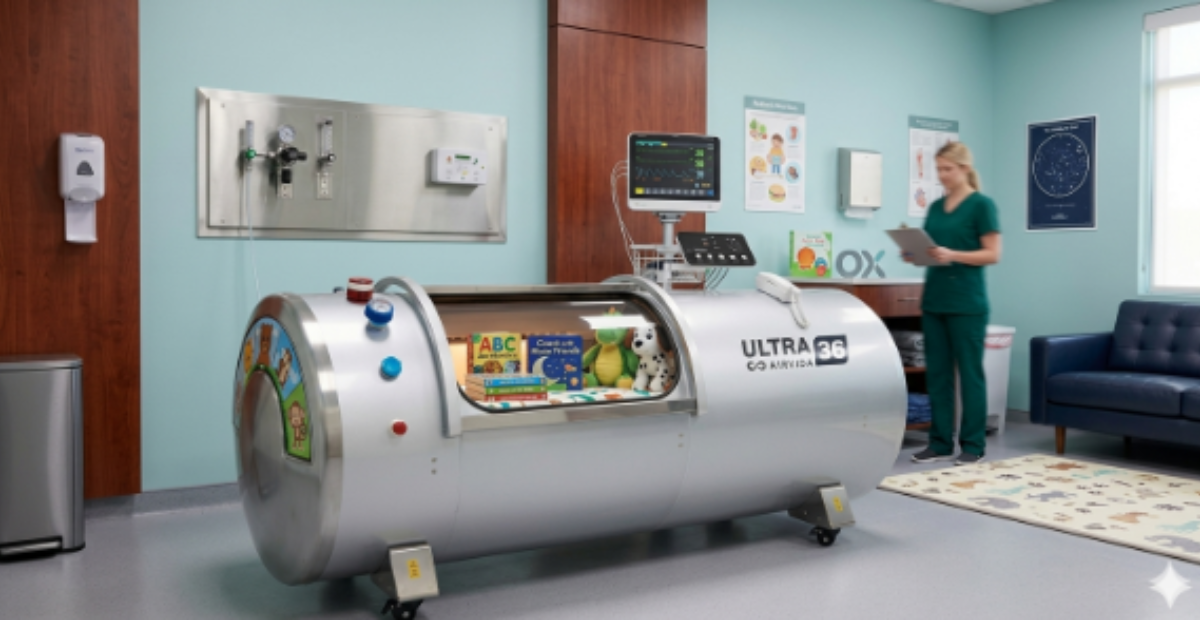
Hyperbaric oxygen therapy for children helps increase oxygen levels in the body to support healing and development. It is commonly used to assist with conditions like autism, brain injuries, and delayed recovery.
Many parents explore this therapy as a supportive option to improve overall health and function in children. It may help enhance oxygen delivery, support recovery processes, and promote better energy levels. While results can vary, families often consider it as part of a broader, medically guided wellness plan.
What Is Hyperbaric Oxygen Therapy for Children
Hyperbaric oxygen therapy for children involves breathing pure oxygen in a pressurized chamber. This process allows the lungs to absorb more oxygen than normal, which then travels throughout the body.
This increased oxygen supply can support tissue repair, reduce inflammation, and improve circulation. For children, this may help with neurological conditions, recovery from injuries, or developmental challenges. Many families explore options like a hyperbaric chamber in Woodbury as part of a guided wellness and recovery approach.
Unlike medications, this therapy focuses on enhancing the body’s natural healing process.
Why Parents Consider Hyperbaric Oxygen Therapy for Children

Parents often look for additional therapies when traditional treatments do not provide enough progress. Hyperbaric oxygen therapy for children is considered because it targets oxygen delivery at a cellular level.
Supporting Brain Function and Development
The brain requires a steady supply of oxygen to function properly. In some conditions, oxygen flow may be reduced.
HBOT helps increase oxygen availability, which may:
-
Support brain cell repair
-
Improve focus and cognitive function
-
Enhance communication skills in some children
Helping Recovery from Injuries
Children recovering from injuries such as concussions or trauma may benefit from improved oxygen circulation.
HBOT can:
-
Promote faster healing
-
Reduce swelling
-
Support tissue regeneration
Complementing Other Therapies
This therapy is often used alongside:
-
Behavioral therapy
-
Occupational therapy
-
Speech therapy
It is not a replacement but a supportive option that may enhance overall results.
Hyperbaric Collections You May Want to Shop

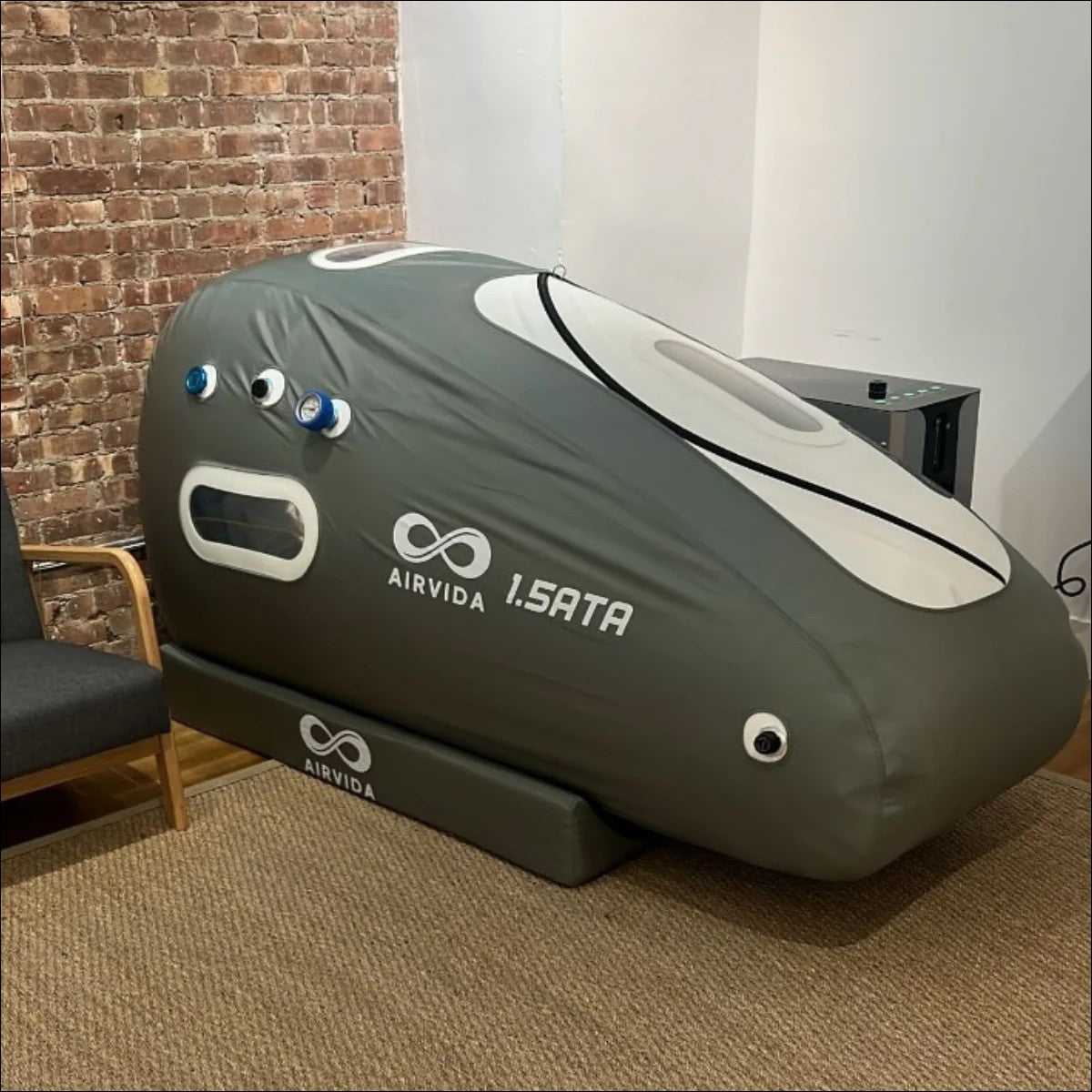
How Hyperbaric Oxygen Therapy Works for Kids
The process is simple and non-invasive. Children enter a chamber where air pressure is increased while they breathe oxygen. This environment may allow more oxygen to dissolve in the bloodstream, potentially supporting healing and recovery. Sessions are typically monitored, helping ensure safety, comfort, and a controlled therapeutic experience for younger patients.
Step-by-Step Process
|
Step |
What Happens |
|
1 |
Child enters the chamber comfortably |
|
2 |
Pressure gradually increases |
|
3 |
Child breathes oxygen for a set time |
|
4 |
Pressure returns to normal |
Sessions typically last 60 to 90 minutes.
Why Increased Pressure Matters
Under pressure, oxygen dissolves more effectively into the bloodstream. This allows it to reach areas that may not receive enough oxygen under normal conditions. As a result, tissues may receive improved oxygen supply, which could support cellular repair, reduce inflammation, and enhance the body’s natural healing processes over time. For added support in recovery and overall wellness, some families also incorporate tools like a vibration plate for bone density alongside hyperbaric therapy.
This is especially important for:
-
Brain tissue
-
Injured areas
-
Inflamed regions
Conditions That May Benefit from Hyperbaric Oxygen Therapy

While research is ongoing, many parents explore HBOT for specific conditions. Some consider it as a complementary approach to support recovery, improve oxygen delivery, and enhance overall well-being. However, outcomes may vary, and it is important for families to consult qualified healthcare professionals before starting any hyperbaric therapy program for children.
Common Uses
|
Condition |
Potential Benefit |
|
Autism Spectrum Disorder |
May support communication and behavior |
|
Cerebral Palsy |
May improve motor function |
|
Brain Injuries |
Supports healing and recovery |
|
Chronic Inflammation |
Reduces swelling |
Why These Conditions May Respond
Many of these conditions involve reduced oxygen flow or inflammation. HBOT addresses both by improving oxygen delivery and reducing inflammation.
Is Hyperbaric Oxygen Therapy Safe for Children
Safety is one of the biggest concerns for parents. When performed correctly, HBOT is generally considered safe for children. Sessions are typically supervised by trained professionals, with protocols designed to minimize risks. However, individual responses may vary, so proper evaluation, monitoring, and guidance from qualified healthcare providers remain essential throughout the therapy process.
Safety Factors to Consider
-
Sessions are supervised by trained professionals
-
Pressure levels are carefully controlled
-
Equipment is designed for safety and comfort
Common Mild Side Effects
|
Side Effect |
Description |
|
Ear pressure |
Similar to airplane ear |
|
Fatigue |
Temporary tiredness after sessions |
|
Mild discomfort |
Usually resolves quickly |
Serious side effects are rare when therapy is done properly.
How Many Sessions Are Typically Needed

The number of sessions depends on the child’s condition and goals.
General Session Guidelines
|
Condition Type |
Typical Sessions |
|
Mild concerns |
20–40 sessions |
|
Moderate conditions |
40–80 sessions |
|
Intensive therapy |
80+ sessions |
Consistency plays a key role in achieving results.
Choosing the Right Hyperbaric Therapy Option
Not all hyperbaric chambers are the same. Choosing the right one depends on safety, pressure levels, and intended use.
Types of Chambers
|
Type |
Best For |
|
Mild HBOT chambers |
Home use, general wellness |
|
Hard chambers |
Clinical, higher pressure needs |
Which Option Is Best for Children
For most families, mild hyperbaric chambers are the preferred choice because they are:
-
Safer for regular use
-
More comfortable
-
Suitable for home settings
Explore available options here: Hyperbaric Chamber in Irvine
These collections offer accessible solutions designed with safety and convenience in mind.
Hyperbaric Chambers You May Want to Shop
Explore More


Practical Tips for Parents Starting HBOT
Starting a new therapy can feel overwhelming. These simple tips can help make the experience smoother. Preparing children in advance, maintaining a calm environment, and following professional guidance may improve comfort and cooperation. Gradual introduction, clear communication, and consistent routines can also support a more positive and manageable experience throughout the therapy process.
Before Starting
-
Consult with a healthcare provider
-
Understand your child’s needs
-
Set realistic expectations
During Therapy
-
Keep sessions consistent
-
Monitor your child’s comfort
-
Stay patient with progress
After Sessions
-
Track improvements
-
Combine with other therapies
-
Maintain a routine
Related Guides You Should Read

Understanding HBOT fully can help you make better decisions.
Learn about pressure levels and how they affect therapy: Hyperbaric Chamber Pressure PSI: Understanding Safe Operating Ranges
Final Thoughts on Hyperbaric Oxygen Therapy for Children
Hyperbaric oxygen therapy for children offers a supportive approach to improving oxygen delivery, healing, and overall development. While it is not a cure, it can play a valuable role alongside other therapies.
Parents who understand how it works, what to expect, and how to use it properly are better equipped to make informed decisions. This knowledge may help reduce uncertainty, improve safety, and ensure a more comfortable experience for children, especially when guided by qualified healthcare professionals throughout the process.
Frequently Asked Questions
Which therapy is best for autism spectrum disorder?
The best therapy for autism spectrum disorder depends on the child’s specific needs and developmental goals. Behavioral therapies such as Applied Behavior Analysis are commonly used as a primary approach. However, supportive treatments like hyperbaric oxygen therapy for children may be added to enhance outcomes. Combining therapies often produces better results because it addresses multiple aspects of development including communication, behavior, and cognitive skills.
Is hyperbaric oxygen therapy safe for kids?
Hyperbaric oxygen therapy for children is generally safe when conducted under proper supervision and guidelines. Most sessions are carefully monitored to ensure pressure levels remain appropriate. Mild side effects like ear pressure or temporary fatigue can occur, but serious risks are rare. Choosing certified equipment and trained providers significantly improves safety and ensures a comfortable experience for children.
What are the side effects of hyperbaric oxygen therapy?
The side effects of hyperbaric oxygen therapy for children are usually mild and temporary. Common effects include ear discomfort due to pressure changes, slight fatigue after sessions, or mild sinus pressure. These symptoms often resolve quickly without intervention. Serious side effects are uncommon, especially when therapy is administered correctly and sessions are tailored to the child’s tolerance level.
How many HBOT sessions for autism?
The number of hyperbaric oxygen therapy for children sessions for autism varies depending on severity and response. Many programs recommend between 40 to 80 sessions, while some children may benefit from extended therapy. Consistency is important, and progress should be monitored regularly. Parents often combine HBOT with other therapies to maximize improvements in communication and behavior over time.