


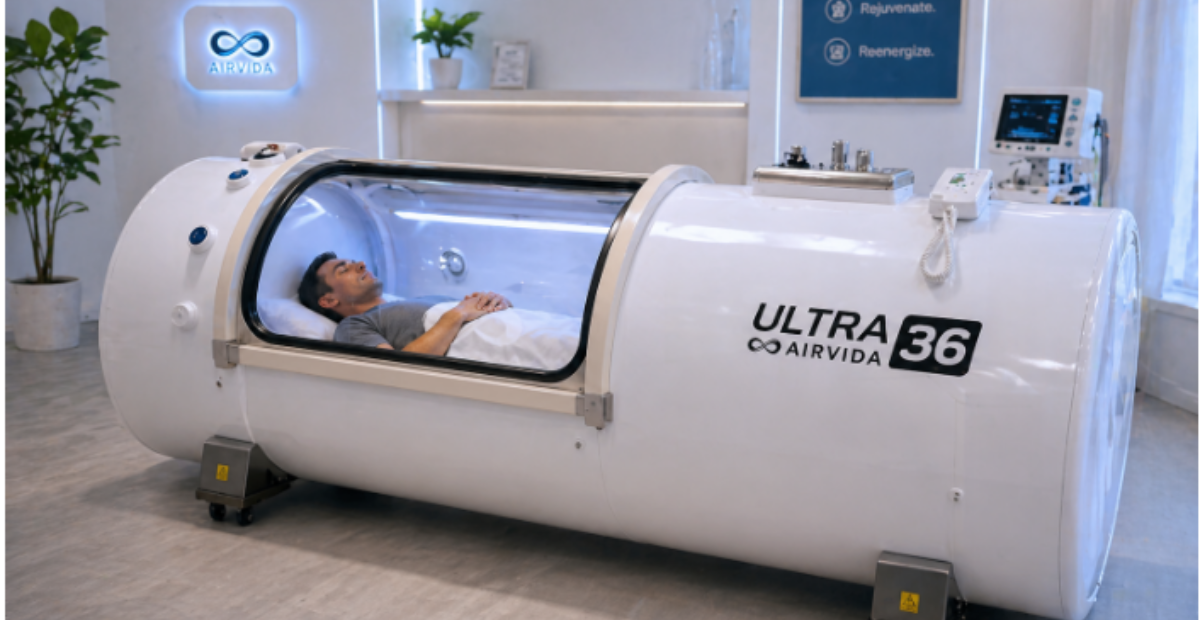
The best hyperbaric oxygen therapy Indianapolis residents can access combines clinical-grade pressure levels, the right chamber type, and a protocol matched to your specific condition. HBOT works by delivering 100% pure oxygen inside a sealed, pressurized environment, allowing your body to absorb far more oxygen than it ever could at normal air pressure.
That increased oxygen is what makes the difference. It reaches damaged tissues, inflamed joints, and areas where blood flow is restricted, giving your body the raw fuel it needs to repair and recover. Whether you are exploring HBOT for the first time or trying to compare your options, understanding what actually separates a quality session from an average one is the first step.
Keep reading to see how the therapy works, which chamber types matter, and what to know before you ever step inside one.

What Is Hyperbaric Oxygen Therapy
Hyperbaric oxygen therapy is a non-invasive treatment where you breathe pure oxygen inside a chamber pressurized above normal atmospheric levels. Under standard conditions, your red blood cells carry most of the oxygen your body uses. Inside a hyperbaric chamber, oxygen dissolves directly into your blood plasma, cerebrospinal fluid, and other bodily fluids.
This allows oxygen to reach tissues that normal circulation cannot adequately supply. Damaged, inflamed, or slow-healing tissue gets a concentrated dose of what it needs most.
HBOT has been used in medical settings for decades, originally for conditions like decompression sickness and carbon monoxide poisoning. Today, its applications have expanded significantly, and more people are exploring it for recovery, chronic conditions, and overall wellness support.
Things to Know Before Your First HBOT Session
Before you dive into finding options, there are a few essentials worth understanding upfront.
Pressure levels vary by chamber type. Medical-grade hard shell chambers can reach 1.5 to 3.0 ATA or higher. Wellness and home chambers typically operate between 1.3 and 2.0 ATA. The pressure level directly determines how much oxygen your blood can absorb per session.
Session length affects your results. Most sessions last between 60 and 90 minutes. The total number of sessions you need depends on your condition, your health history, and how your body responds to treatment.
Not all chambers are equal. A soft-sided chamber and a hard shell chamber deliver very different pressure capabilities and experiences. Choosing the right one for your goals matters more than most people realize.
Consistency drives outcomes. HBOT is rarely a one-session solution. Most protocols involve multiple sessions per week over several weeks. Showing up consistently is how the therapy builds on itself.
Your medical history matters. Certain conditions, such as untreated pneumothorax or specific ear conditions, may require clearance from your doctor before starting. Always check if you have any underlying health concerns.

How HBOT Works: Pressure, Oxygen, and Your Body
When you enter a hyperbaric chamber, the pressure rises gradually. You may feel a slight fullness in your ears, similar to what happens on an airplane or during a mountain drive. This typically passes within the first few minutes and is easy to manage.
Once at the target pressure, you breathe pure oxygen either through a mask or directly from the pressurized environment. Your lungs process significantly more oxygen per breath than they would under normal conditions. That oxygen then moves into your blood plasma and travels to tissues that standard circulation struggles to reach.
Here is a simple breakdown of how pressure levels affect the session:
|
Pressure Level (ATA) |
Oxygen Absorption |
Typical Use Case |
|
1.3 to 1.5 |
Mild increase |
Wellness, general recovery, mild inflammation |
|
1.5 to 2.0 |
Moderate increase |
Athletic recovery, cognitive support |
|
2.0 to 3.0 |
High increase |
Clinical conditions, wound healing, tissue repair |
The effects accumulate over time. Each session builds on the last, stimulating new blood vessel growth, reducing inflammation, and supporting the repair of damaged tissue. If you are wondering about timelines, the blog on how quickly hyperbaric therapy works breaks down what most people experience in the early sessions and when noticeable changes tend to begin.
Hyperbaric Chambers You May Want to Shop


Types of Hyperbaric Chambers Worth Understanding
The chamber you use plays a major role in the quality and effectiveness of your sessions. There are three primary types, and each one serves a different purpose.
|
Chamber Type |
Pressure Range |
Best For |
|
Soft Hyperbaric Chambers |
1.3 to 1.5 ATA |
Home use, wellness, mild recovery |
|
Hard Shell Single-Person |
1.5 to 3.0 ATA |
Clinical use, targeted therapeutic protocols |
|
Multiplace Chambers |
2.0 to 3.0 ATA |
Multiple users, hospital-grade or clinic settings |
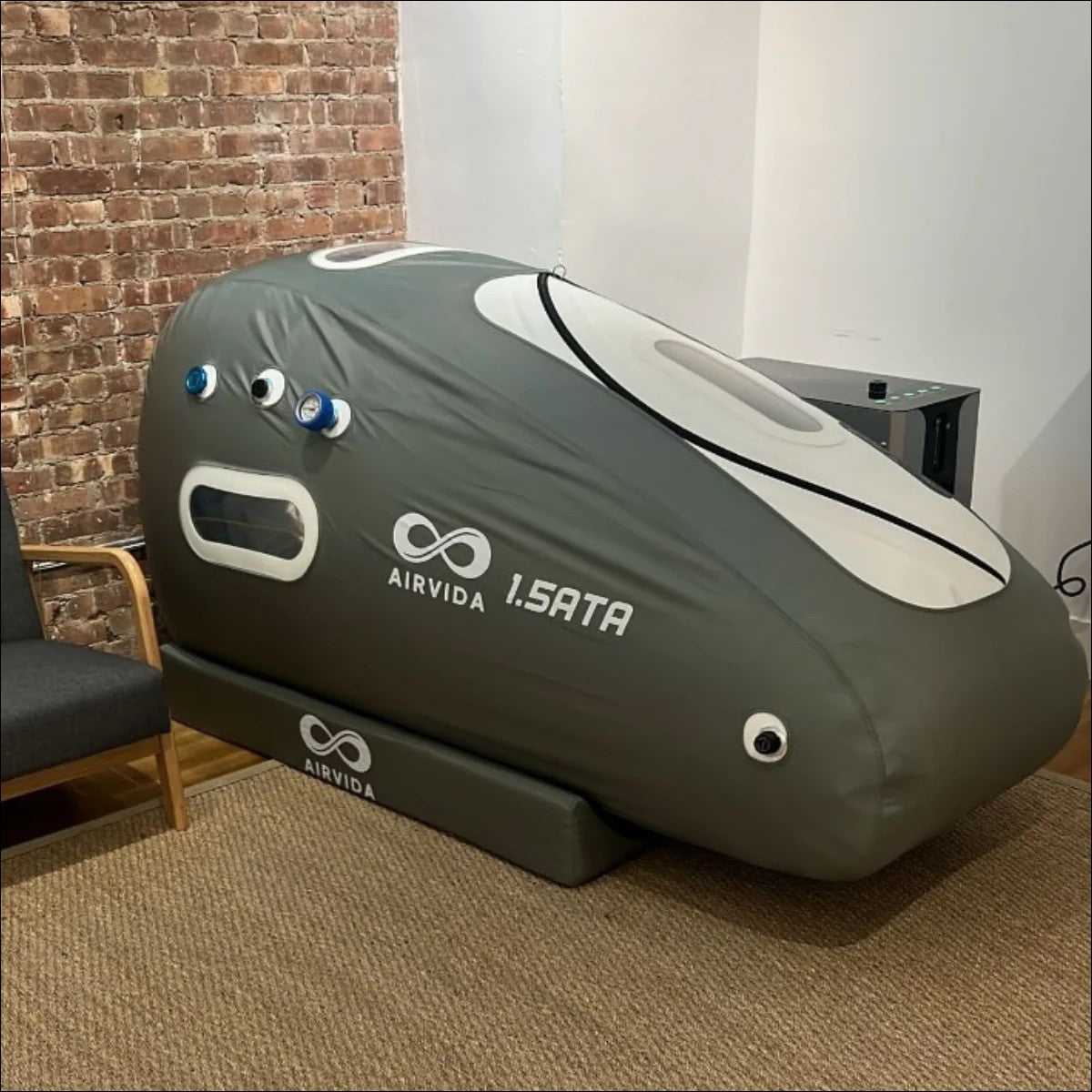
Soft hyperbaric chambers are the most accessible entry point for personal or home wellness use. They are portable, easier to set up, and well-suited for general recovery and mild conditions. Soft hyperbaric chambers work well for people who want to begin regular HBOT without committing to a clinical facility for every session.
Hard shell single-person chambers offer significantly higher pressure and a more controlled environment. If your goals require higher oxygen saturation, a hard shell hyperbaric chamber delivers the kind of clinical-level pressure that drives more substantial therapeutic results.
Multiplace chambers are built for more than one person at a time and are typically used in hospital or clinic environments. Multiplace hyperbaric chambers are also a strong option for treatment centers that want to offer HBOT as part of a broader care program.
Knowing which chamber fits your situation prevents you from spending money on a setup that does not meet your actual needs.
What Conditions Does HBOT Support
HBOT has FDA clearance for 13 specific medical conditions in the United States. Beyond those, many people explore it for wellness and recovery applications supported by ongoing clinical research.
FDA-cleared conditions include:
-
Diabetic foot ulcers and chronic non-healing wounds
-
Radiation tissue damage
-
Carbon monoxide poisoning
-
Decompression sickness
-
Osteomyelitis (bone infections)
-
Severe anemia
-
Compromised skin grafts and flaps
Commonly explored wellness applications:
-
Athletic and post-surgical recovery
-
Traumatic brain injury support
-
Post-COVID fatigue and cognitive symptoms
-
Lyme disease symptom management
-
General inflammation and immune support
Before you commit to a series of sessions, it helps to know whether hyperbaric therapy is covered by insurance for your specific condition. Coverage varies widely by diagnosis and provider, and sorting this out early prevents surprise costs down the line.
If you are still in the research phase and comparing providers in your area, the blog on finding a hyperbaric chamber near me walks through what to look for when evaluating local options.
Hyperbaric Collections You May Want to Shop

How to Evaluate Your Options in Indianapolis
Not every HBOT provider operates at the same standard. When you are looking for the best hyperbaric oxygen therapy Indianapolis has to offer, here are the most important things to assess before you commit.
Pressure capability. Ask exactly what ATA the chamber reaches. A soft chamber at 1.3 ATA and a hard shell chamber at 2.4 ATA are not comparable in therapeutic output. Know what you are getting.
Staff qualifications. Quality providers have trained technicians or medical oversight available during sessions. This matters especially for higher-pressure protocols or if you are treating a clinical condition.
Structured protocols. A reputable provider will assess your goals and recommend a multi-session plan, not just sell you individual sessions without any structure or follow-up.
Equipment quality. The brand and build of the chamber affect your safety and experience. Providers using well-constructed, properly maintained equipment from recognized manufacturers are a better bet than those using off-brand units with no service history.
Honest expectations. Be cautious of providers who make sweeping cure claims without any nuance. Quality providers are transparent about where evidence is strong and where it is still developing.
Taking time to evaluate these factors before your first session gives you a much stronger chance of getting real, lasting results from your investment.
Finding the Best Hyperbaric Oxygen Therapy Indianapolis Residents Deserve
Choosing the right chamber and provider is not something to rush. The best hyperbaric oxygen therapy Indianapolis can offer comes down to pressure capability, equipment quality, and a treatment plan built around your actual goals, not a one-size-fits-all approach.
At Airvida Chambers, we pride ourselves on offering the highest quality of hyperbaric chambers on the market, backed by only working with the most reliable partners in the industry. Whether you are looking for a soft chamber for personal wellness or a clinical-grade hard shell unit for more intensive protocols, our lineup is built to meet real performance standards. We believe everyone deserves access to equipment that actually works, and we stand behind every product we offer. Explore our full range and find the chamber that fits your goals.
Frequently Asked Questions
What not to do before going into a hyperbaric chamber?
Avoid alcohol, smoking, and carbonated drinks for at least four hours before a session.
You should also skip petroleum-based products like lotions, hair gels, and certain skincare items since oxygen-enriched environments increase flammability risk. Avoid bringing electronic devices inside the chamber, and do not eat a heavy meal right before your session, as pressure changes can be uncomfortable on a full stomach.
Can a hyperbaric chamber help with multiple sclerosis?
Research is ongoing, but some people with MS report improvement in fatigue and mobility with regular HBOT sessions.
While HBOT is not an FDA-approved treatment for multiple sclerosis, several clinical studies have explored its potential to reduce inflammation and support neurological function. Results vary significantly between individuals, so it is important to discuss this option with your neurologist before starting a protocol.
How many times a week should you do HBOT?
Most protocols recommend five sessions per week for a set number of weeks, though this varies based on your condition and goals.
For wellness and recovery purposes, two to three sessions per week is a common starting point. Clinical conditions often call for a more intensive daily schedule. Your provider should build a specific plan based on your health history and what you are trying to achieve, rather than applying a universal frequency.
Can I use it with other treatments?
Yes, HBOT is generally considered complementary and is often used alongside other medical or wellness treatments.
Many people combine HBOT with physical therapy, medication, and nutritional support. It is non-invasive and does not typically interfere with most standard treatments. That said, always inform your doctor about all therapies you are using so they can flag any potential interactions specific to your situation.
What does the treatment feel like?
Most people describe HBOT as relaxing, similar to sitting in a quiet, enclosed space with a mild pressure sensation in the ears.
The pressure increase at the start of a session can feel like descending on an airplane. This settles within a few minutes. During the session itself, you can sleep, listen to audio, or simply rest. There is no pain involved. Some people feel slightly tired after their first few sessions, which usually fades as the body adjusts.
What conditions does HBOT treat?
HBOT has FDA clearance for 13 conditions, including diabetic wounds, radiation injury, decompression sickness, and carbon monoxide poisoning.
Beyond cleared indications, HBOT is widely explored for traumatic brain injury, post-COVID symptoms, Lyme disease, and athletic recovery. The strength of evidence varies by condition, so it is worth reviewing the research specific to your situation and consulting with a provider who can give you realistic expectations before you begin.