


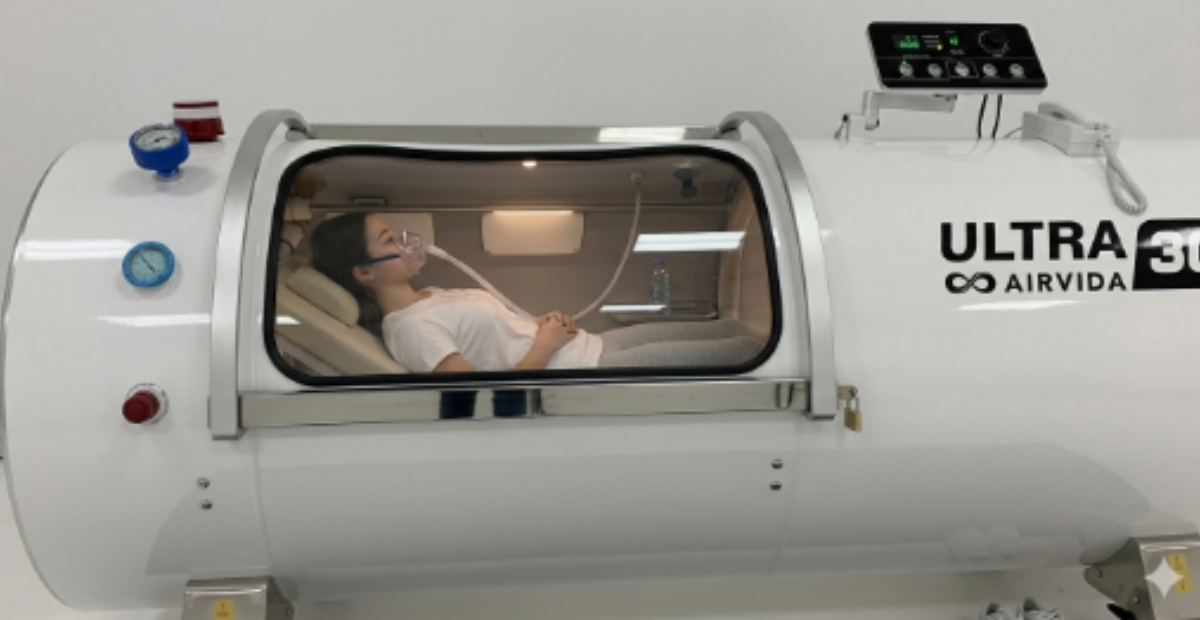
The best hyperbaric oxygen therapy for acute osteomyelitis is one that delivers high-pressure, medical-grade oxygen consistently under clinical guidance to improve bone healing and fight infection. When combined with antibiotics and proper medical care, HBOT enhances oxygen delivery to infected bone tissue and supports faster recovery.
Acute osteomyelitis can escalate quickly, which is why early intervention and advanced oxygen therapy solutions are critical. Below, you will learn how hyperbaric therapy works, why it matters for bone infections, and which options provide the most effective results.
Understanding Acute Osteomyelitis and Why Oxygen Matters

Acute osteomyelitis is a serious bone infection often caused by bacteria such as Staphylococcus aureus. It can develop rapidly after injury, surgery, or bloodstream infection. When infection spreads inside bone tissue, swelling and inflammation reduce blood flow, limiting oxygen delivery to the affected area. Since immune cells require oxygen to destroy bacteria effectively, low oxygen levels make infections harder to treat. For patients seeking supportive therapy, hyperbaric chamber Billings, MT may help enhance oxygen delivery and aid the body’s natural healing processes alongside standard medical care.
That is where hyperbaric oxygen therapy becomes valuable.
Why Oxygen Is Critical for Bone Healing
Bone tissue has a complex vascular structure. When infection disrupts circulation:
-
White blood cells become less effective
-
Antibiotics struggle to penetrate infected bone
-
Dead bone tissue may form
-
Healing slows significantly
Hyperbaric oxygen therapy increases oxygen levels in plasma. This allows oxygen to reach areas with compromised blood supply. Increased oxygen levels help:
-
Strengthen immune response
-
Stimulate new blood vessel growth
-
Support bone regeneration
-
Improve antibiotic effectiveness
Hyperbaric Collections You May Want to Shop

What Is Hyperbaric Oxygen Therapy?
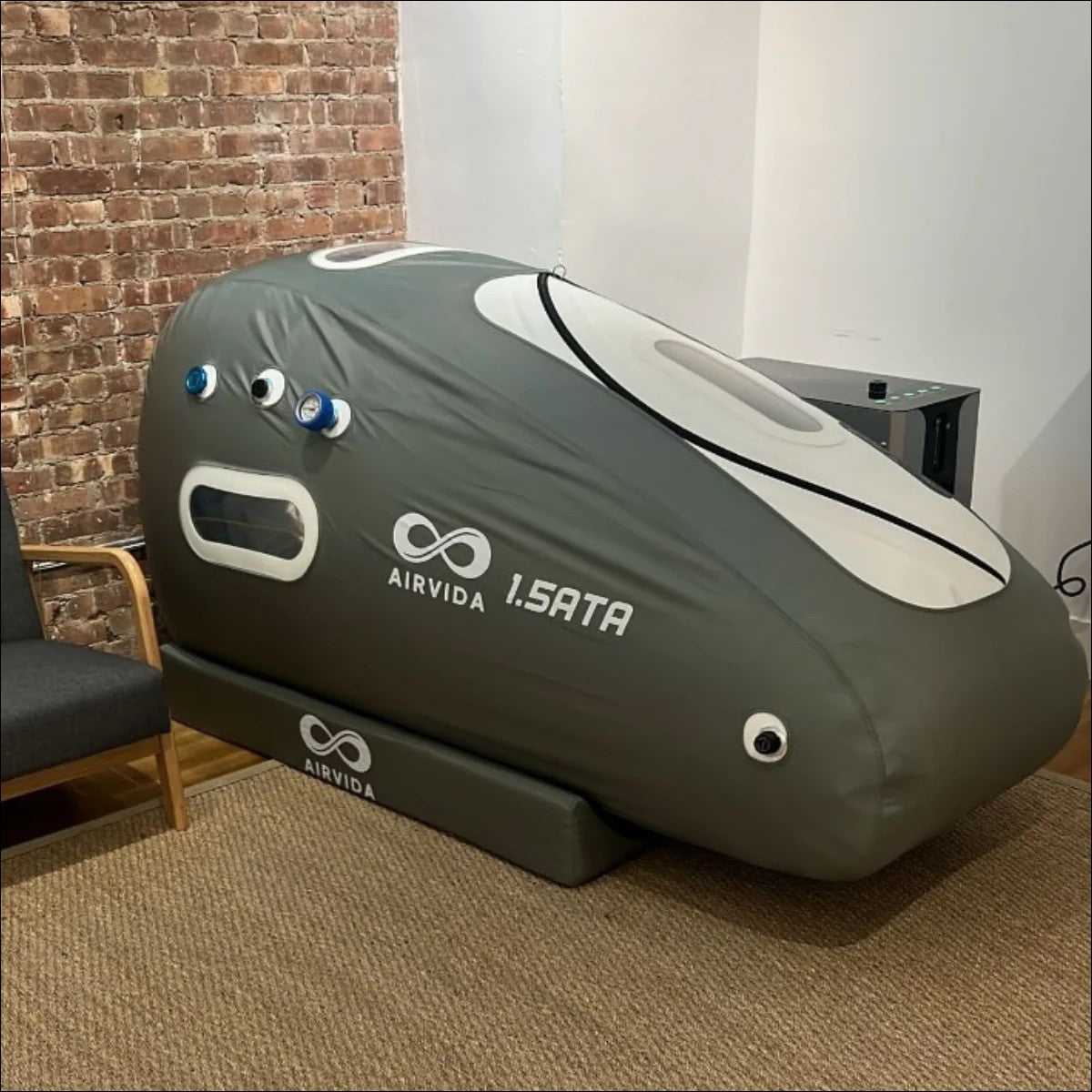
Hyperbaric oxygen therapy, commonly called HBOT, involves breathing pure oxygen inside a pressurized chamber. The pressure is typically 1.5 to 3 times higher than normal atmospheric pressure. This therapy may support various conditions, including cognitive health, as explored in the article Hyperbaric Chamber for Alzheimer's Patients: Key Benefits guide.
Under these conditions, the lungs absorb significantly more oxygen. That oxygen dissolves into the bloodstream and reaches tissues that are normally oxygen-deprived. The best hyperbaric oxygen therapy for acute osteomyelitis uses controlled pressure settings and consistent session scheduling to maximize tissue oxygen saturation.
How Hyperbaric Oxygen Therapy Supports Acute Osteomyelitis Treatment
Hyperbaric therapy is not a replacement for antibiotics or surgery when needed. It works as a powerful adjunct therapy, potentially enhancing oxygen delivery to affected tissues and supporting the body’s natural healing processes. When combined with appropriate medical treatment and physician guidance, it may help improve outcomes while reducing certain complications and recovery time.
-
Enhances Immune Function
Oxygen-dependent bacteria killing improves under hyperbaric conditions as elevated oxygen concentrations may enhance the body’s natural antimicrobial mechanisms. White blood cells tend to function more effectively when oxygen levels rise, potentially increasing their ability to target and neutralize harmful pathogens. This supportive environment may contribute to improved infection control and tissue recovery.
-
Reduces Inflammation
Pressurized oxygen may help decrease swelling in infected tissues by promoting vasoconstriction while still improving oxygen delivery at the cellular level. Reduced inflammation can support better circulation, allowing nutrients and immune cells to reach damaged areas more efficiently. This combined effect may contribute to faster tissue repair and overall healing support.
-
Promotes Angiogenesis
HBOT may stimulate angiogenesis, meaning the formation of new blood vessels within damaged or oxygen-deprived tissues. This process is particularly important in infected bone, where circulation is often compromised. Improved vascular growth may enhance oxygen and nutrient delivery, potentially supporting immune response, tissue regeneration, and overall recovery outcomes.
-
Supports Bone Regeneration
Osteoblast activity may increase in oxygen-rich environments, as adequate oxygen levels support cellular metabolism and energy production. These specialized cells are responsible for bone formation and remodeling. Enhanced oxygen availability could potentially encourage stronger bone regeneration, particularly in areas affected by infection, injury, or compromised circulation.
What Makes the Best Hyperbaric Oxygen Therapy for Acute Osteomyelitis?
Not all hyperbaric solutions are equal. Effectiveness may depend on pressure consistency, oxygen purity, session frequency, and overall equipment quality. Proper medical supervision, chamber certification, and individualized treatment protocols also play important roles. These factors together can influence safety, therapeutic potential, and the consistency of clinical outcomes.
Key Features to Look For
-
Medical-grade oxygen concentration
-
Stable pressure control
-
Reliable chamber construction
-
Proper supervision protocol
-
Comfortable patient experience
Below is a comparison of important factors.
Table 1: Key Elements of Effective HBOT for Osteomyelitis
|
Factor |
Why It Matters |
Ideal Standard |
|
Oxygen Purity |
Ensures maximum therapeutic benefit |
95% or higher |
|
Pressure Level |
Increases oxygen absorption |
1.5 – 2.5 ATA |
|
Session Duration |
Allows tissue saturation |
60–90 minutes |
|
Treatment Frequency |
Maintains healing momentum |
3–5 sessions per week |
|
Chamber Quality |
Safety and pressure stability |
Medical-certified system |
The best hyperbaric oxygen therapy for acute osteomyelitis combines these elements consistently under medical guidance.
Hyperbaric Chambers You May Want to Shop
Explore More


Choosing the Right Hyperbaric Chamber Solution
For patients exploring advanced oxygen therapy systems, chamber quality and design matter significantly. If you are considering high-performance systems, explore the Tribeca Hyperbaric Oxygen Chamber collection.
These collections offer durable, precision-engineered chambers built to maintain consistent pressure and oxygen delivery.
Treatment Frequency and Duration for Acute Osteomyelitis

The number of sessions varies depending on severity, patient health, and physician recommendations.
Table 2: Typical HBOT Protocol for Acute Osteomyelitis
|
Severity Level |
Sessions Per Week |
Total Sessions |
Approximate Duration |
|
Mild Infection |
3 sessions |
15–20 |
4–6 weeks |
|
Moderate Infection |
4 sessions |
20–30 |
6–8 weeks |
|
Severe Infection |
5 sessions |
30–40 |
8–12 weeks |
Consistency is essential. Skipping sessions can reduce cumulative oxygen saturation benefits.
Clinical Evidence and Recovery Outcomes
Studies suggest HBOT may improve outcomes in refractory osteomyelitis cases when used alongside appropriate antibiotic therapy. By enhancing oxygen delivery to infected bone tissue, it could potentially support immune function and antibiotic effectiveness. This combined approach may help reduce recurrence rates and promote more complete infection resolution.
Benefits observed include:
-
Reduced infection recurrence
-
Faster wound closure
-
Lower risk of amputation
-
Improved bone density recovery
While individual results vary, oxygen saturation plays a measurable role in tissue regeneration.
Comparing Acute vs Chronic Osteomyelitis Treatment
Acute osteomyelitis may respond more quickly to oxygen therapy because bone tissue damage is typically less extensive than in chronic cases. Earlier intervention can help preserve circulation and cellular integrity. With improved oxygen availability, immune activity and tissue repair processes may function more efficiently during the initial stages of infection.
Early intervention provides:
-
Better circulation response
-
Reduced necrotic bone formation
-
Faster symptom relief
If you are exploring broader hyperbaric benefits, you may also find this helpful:
Best Hyperbaric Chamber Birmingham, AL.
Practical Tips for Maximizing HBOT Results

To get the best outcome:
-
Stay hydrated before sessions
-
Follow antibiotic regimen precisely
-
Maintain consistent scheduling
-
Monitor inflammatory markers
-
Follow physician supervision
Lifestyle factors such as smoking cessation significantly improve oxygen therapy results because smoking reduces oxygen delivery efficiency.
Is Hyperbaric Oxygen Therapy Safe?
When administered properly, HBOT is generally safe. Minor side effects may include ear pressure discomfort similar to airplane travel. Serious complications are rare when therapy is supervised and equipment meets safety standards. For complementary approaches to nervous system support, see our article How to Heal the Vagus Nerve Naturally and Safely.
Patients with certain lung conditions should consult a specialist before starting therapy.
Final Thoughts on the Best Hyperbaric Oxygen Therapy for Acute Osteomyelitis

Finding the best hyperbaric oxygen therapy for acute osteomyelitis means focusing on quality equipment, proper medical guidance, and consistent treatment scheduling. Oxygen is not just supportive care. It is a biologically active tool that enhances immune response and bone regeneration.
When combined with antibiotics and proper clinical management, hyperbaric therapy significantly improves recovery outcomes and reduces long-term complications. If you are considering advanced oxygen therapy systems, evaluate chamber quality, pressure stability, and oxygen concentration carefully to ensure optimal results.
Frequently Asked Questions
Can a hyperbaric chamber help with osteomyelitis?
Yes, a hyperbaric chamber can help with osteomyelitis by increasing oxygen delivery to infected bone tissue. Higher oxygen levels improve immune cell activity, enhance antibiotic effectiveness, and stimulate new blood vessel growth. While it does not replace antibiotics or surgical intervention, it significantly improves healing outcomes when used as part of a comprehensive treatment plan.
What is the most effective treatment for osteomyelitis?
The most effective treatment for osteomyelitis typically combines targeted antibiotics, possible surgical debridement, and adjunct hyperbaric oxygen therapy. Antibiotics eliminate bacteria, surgery removes necrotic tissue when necessary, and HBOT enhances oxygen delivery to accelerate immune response and bone regeneration. Early diagnosis improves treatment success rates significantly.
Can a hyperbaric chamber help with bone healing?
Yes, hyperbaric oxygen therapy supports bone healing by stimulating osteoblast activity and angiogenesis. Increased oxygen levels promote collagen production, new blood vessel formation, and tissue repair. This is particularly beneficial in infections or injuries where circulation has been compromised.
How many times a week does HBOT?
HBOT is commonly performed 3 to 5 times per week depending on infection severity and physician guidance. Acute osteomyelitis cases often require consistent sessions over several weeks to maintain therapeutic oxygen levels. Adherence to a regular schedule maximizes cumulative healing benefits and improves recovery outcomes.