



10 minutes on vibration plate equals how many steps is commonly estimated at 1,000 to 2,000 steps, depending on vibration speed, stance, and body engagement. This makes vibration plates a compact option for low-impact movement, but not a full replacement for walking.
Understanding how this comparison works helps you decide whether vibration training fits your fitness or recovery goals. By recognizing how intensity, duration, and muscle activation differ from traditional movement, you can better align session length and exercise selection with your personal needs, whether you’re aiming for strength gains, mobility support, or gentle recovery.
Understanding Vibration Plate Exercise

Vibration plate machines use rapid oscillations to stimulate muscle contractions throughout the body. When you stand, squat, or perform light movements on the platform, your muscles reflexively contract to stabilize your body.
These contractions happen many times per second. Over short sessions, this can increase muscle activation, circulation, and neuromuscular engagement without placing heavy stress on joints.
Unlike walking, where movement is voluntary and repetitive, vibration plates create involuntary muscle engagement. This is why short sessions are often compared to longer periods of traditional movement, especially when paired with broader wellness approaches discussed in the article, Can Hyperbaric Chamber Help COPD, which explores how different therapies may support respiratory efficiency and overall recovery.
How Step Equivalents Are Calculated
The idea of step equivalency does not come from counting literal footsteps. Instead, it is based on factors such as muscle contractions, energy expenditure, and cardiovascular response. By evaluating how the body works during different activities, researchers can estimate how a short session on a vibration plate may mirror the effort of walking.
Researchers and fitness professionals estimate equivalence by comparing:
-
Average muscle activation per minute
-
Heart rate elevation
-
Calorie expenditure over time
When these metrics are compared to brisk walking, a short vibration session can resemble the muscular workload of walking several minutes. This comparison helps explain why vibration training is often viewed as time-efficient, especially for individuals seeking muscle activation, circulation support, or low-impact movement without committing to longer exercise sessions, while also complementing relaxation techniques outlined in the article Vagus Nerve Massage: What It Is and How to Do It Safely.
General Estimate Used by Fitness Professionals
Most vibration plate manufacturers and exercise physiologists use a conservative comparison:
|
Activity |
Estimated Output |
|
10 minutes vibration plate |
1,000–2,000 steps |
|
10 minutes brisk walking |
1,200–1,500 steps |
|
10 minutes slow walking |
700–900 steps |
This is why the question 10 minutes on vibration plate equals how many steps often lands within that range, rather than a single fixed number.
Why Results Vary So Much
Not all vibration plate sessions are equal. Several variables directly influence the outcome, including frequency, amplitude, posture, and exercise selection. Body weight, session duration, and consistency also play important roles, meaning results can vary widely between individuals depending on how the platform is used and the specific goals being targeted.
Key Factors That Affect Step Equivalence
-
Frequency (Hz): Higher frequencies create more muscle contractions
-
Amplitude: Greater vertical movement increases muscular demand
-
Body position: Squats and lunges activate more muscle groups
-
Session intensity: Passive standing versus active engagement
Someone lightly standing upright may experience less benefit than someone performing controlled squats or calf raises, especially when movements are paired with intentional breathing and neuromuscular engagement, an approach often discussed in best vagus nerve stimulation device, which explores how targeted stimulation can enhance nervous system activation and body awareness.
Vibration Plate vs Walking: A Functional Comparison

Walking is still superior for cardiovascular endurance, joint mobility, and outdoor movement. Vibration plates serve a different role.
|
Feature |
Vibration Plate |
Walking |
|
Joint impact |
Very low |
Low |
|
Muscle activation |
High per minute |
Moderate |
|
Cardio endurance |
Limited |
Strong |
|
Time efficiency |
Very high |
Moderate |
|
Balance training |
High |
Moderate |
Vibration plates work best as a supplement, not a replacement.
Weight Loss and Calorie Burn Perspective
A common misconception is that vibration plates burn calories like high-intensity cardio. In reality, calorie burn is moderate but meaningful, contributing to overall energy expenditure over time. When combined with proper posture, controlled movements, and consistent sessions, vibration training can support weight management, complement fitness routines, and enhance metabolic activity effectively.
Estimated Calorie Burn (10 Minutes)
|
Activity |
Calories Burned (Avg Adult) |
|
Vibration plate (active stance) |
40–70 |
|
Brisk walking |
50–80 |
|
Light walking |
30–40 |
While calorie burn alone is not dramatic, vibration training supports:
-
Lean muscle activation
-
Improved circulation
-
Better post-workout recovery
Muscle activation can increase resting metabolic rate over time, which indirectly supports fat loss. By engaging multiple muscle groups during vibration sessions, the body expends more energy even at rest. Combined with proper nutrition and regular exercise, this gradual metabolic boost can contribute to healthier body composition and long-term fitness goals.
Vibration Therapy Machines You May Want to Shop
Explore More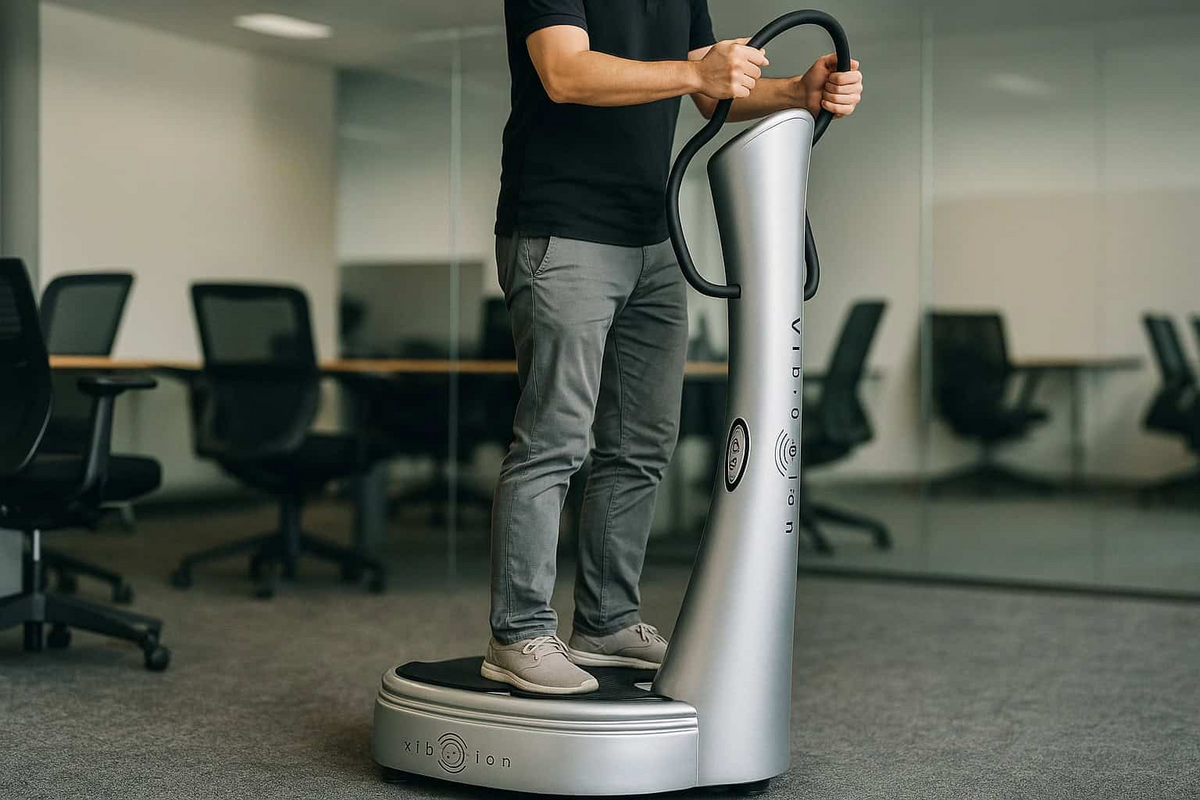


Who Benefits Most From Vibration Plates
Vibration training is particularly useful for people who seek low-impact exercise options, have limited mobility, or require gentle rehabilitation. It can benefit those looking to improve balance, coordination, circulation, or muscle activation without overloading joints. When used consistently, vibration platforms offer a safe, time-efficient way to support overall fitness and recovery goals.
-
Have joint limitations
-
Are recovering from injury
-
Sit for long hours
-
Want short, efficient workouts
It is also used in rehabilitation and wellness settings to stimulate circulation and neuromuscular function.
For people combining wellness therapies, vibration training is sometimes paired with advanced recovery modalities such as hyperbaric oxygen therapy. Facilities offering options like hyperbaric chambers in Santa Barbara often integrate low-impact movement into recovery routines.
Practical Tips to Maximize Results

You do not need long sessions to see benefits. Instead, focus on quality, ensuring each movement is controlled, posture is correct, and exercises target the intended muscles. Short, consistent sessions can effectively stimulate muscle activation, improve circulation, and support recovery, making vibration training a practical and efficient addition to any fitness or wellness routine.
Best Practices
-
Use 10–15 minute sessions
-
Engage core and leg muscles
-
Maintain slight knee bend
-
Combine with light resistance exercises
Short, consistent sessions are more effective than infrequent long ones.
When Vibration Plates Make Sense
Vibration plates are best used as a complement to traditional exercise, rehabilitation, or mobility routines. Optimal results come from consistent, controlled sessions that target specific muscle groups, maintain proper posture, and match individual fitness or recovery goals. Used thoughtfully, they can support strength, circulation, balance, and overall neuromuscular function effectively.
-
On rest days
-
Before workouts as activation
-
After workouts for circulation
-
When step goals are hard to meet
They are especially helpful for people who cannot easily walk long distances due to time or physical limitations.
In wellness-focused cities, integrated recovery services like hyperbaric chambers in Salt Lake City often emphasize efficient movement strategies paired with recovery.
Supporting Nervous System and Recovery
Beyond movement, vibration plates may stimulate sensory input that supports balance and neuromuscular signaling. By activating proprioceptors and encouraging subtle reflex responses, these sessions can enhance coordination, body awareness, and postural stability. When combined with controlled exercises, vibration training may offer added benefits for functional fitness, rehabilitation, and overall nervous system engagement.
For individuals seeking to maximize recovery and performance, pairing vibration training with complementary therapies can be particularly effective. Incorporating sessions at facilities offering advanced options, such as hyperbaric chamber costa mesa, may further support circulation, tissue repair, and overall wellness, creating a holistic approach to fitness and rehabilitation.
Common Myths to Avoid
-
Vibration plates do not replace daily walking
-
Longer sessions are not always better
-
Standing passively reduces benefits
Controlled posture and moderate intensity matter more than duration.
Final Takeaway on Step Equivalency

So, 10 minutes on vibration plate equals how many steps depends on how you use it, but most realistic estimates fall between 1,000 and 2,000 steps. This makes vibration plates a powerful supplement for movement efficiency, not a shortcut for daily activity.
Used correctly, vibration training enhances muscle activation, circulation, and recovery in a time-efficient way. Proper posture, controlled movements, and appropriate session length help maximize benefits while minimizing strain, making vibration platforms a practical option for individuals seeking supportive training, mobility assistance, or gentle recovery alongside traditional exercise routines.
Frequently Asked Questions
What is 10 minutes on the vibration plate equal to?
10 minutes on the vibration plate is roughly equal to 1,000–2,000 walking steps when performed at moderate intensity. This estimate is based on muscle contractions and energy expenditure rather than literal step count. The result depends on vibration speed, posture, and whether the user actively engages muscles. While it can support movement goals, it should complement rather than replace walking.
How many steps are on a vibration plate?
A vibration plate does not generate actual steps, but fitness comparisons estimate step equivalence based on workload. Depending on intensity, one minute may equal 100–200 steps. Over short sessions, this adds up quickly, which is why vibration plates are often marketed as time-efficient tools for low-impact movement.
What do 10 minutes on a vibration plate do for weight?
Ten minutes on a vibration plate supports weight management by activating muscles and increasing circulation, not by burning massive calories. It can enhance lean muscle engagement, which supports metabolism over time. For best results, it should be combined with walking, strength training, and proper nutrition rather than used alone.
What is the best speed on a vibration plate for weight loss?
Moderate vibration speeds between 25–40 Hz are commonly recommended for weight-related goals. This range allows strong muscle activation without excessive strain. Lower speeds are better for beginners and recovery, while higher speeds should be used cautiously and for short intervals with proper posture.