



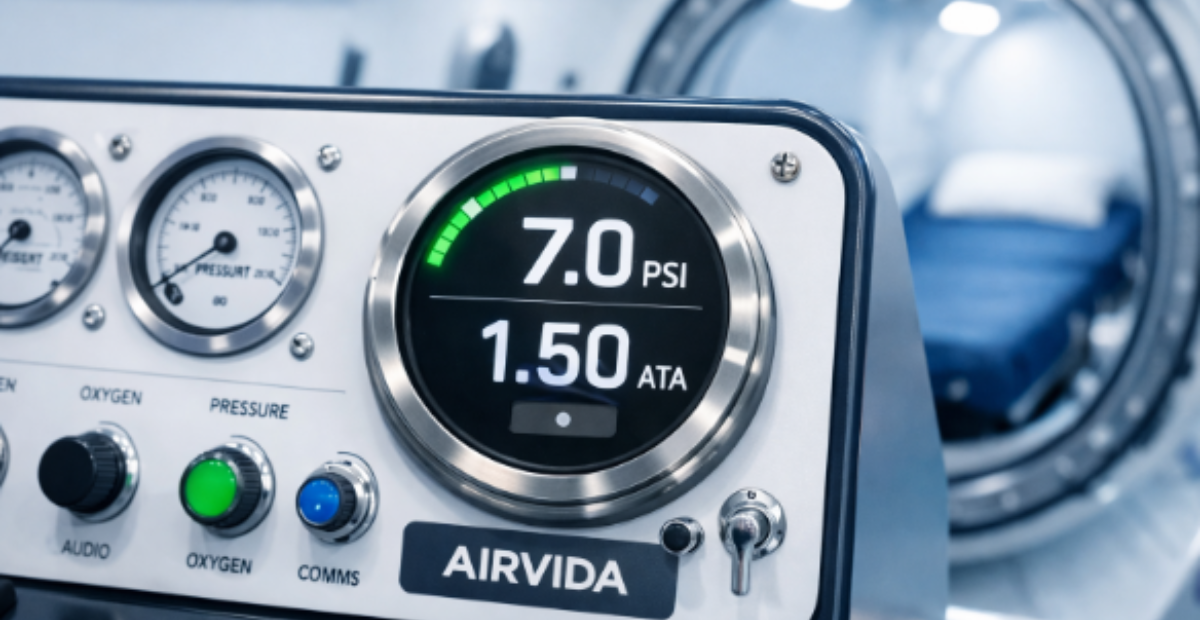
Hyperbaric chamber pressure psi typically ranges from 4 to 30 PSI above normal atmospheric pressure, depending on whether you're using a home wellness chamber or a medical-grade facility chamber. Home hyperbaric chambers operate at 1.3 to 2.0 ATA (atmospheres absolute), which translates to approximately 4 to 15 PSI above atmospheric pressure, while medical-grade chambers can reach 2.5 to 3.0 ATA or about 22 to 30 PSI above atmospheric pressure.
Understanding pressure measurements is essential when choosing or using a hyperbaric chamber. The pressure level directly affects the amount of oxygen your body can absorb and determines what type of therapy you can safely perform at home versus what requires medical supervision.
In this guide, we'll break down everything you need to know about hyperbaric chamber pressure, including what PSI means, safe operating ranges for different chamber types, and how to choose the right pressure level for your wellness goals.
Explore our collection of soft hyperbaric chambers designed for safe home use with optimal pressure levels.
What Does PSI Mean in Hyperbaric Chambers
PSI stands for pounds per square inch and measures the pressure inside a hyperbaric chamber. This measurement tells you how much force the pressurized air exerts on every square inch of surface inside the chamber.
When you see pressure ratings for hyperbaric chambers, you'll often encounter two different measurement systems that can cause confusion if you don't know how they relate to each other.
Hyperbaric Collections You May Want to Shop

Understanding Pressure Measurements: PSI vs ATA
PSI (pounds per square inch) measures absolute pressure, while ATA (atmospheres absolute) measures pressure relative to sea level atmospheric pressure. At sea level, normal atmospheric pressure equals 1 ATA or 14.7 PSI.
When manufacturers specify chamber pressure as "1.5 ATA," they mean the total pressure inside equals 1.5 times normal atmospheric pressure. This translates to 22.05 PSI total pressure, or about 7.35 PSI above the normal atmospheric baseline.
Most home chamber manufacturers list their maximum pressure in ATA because it's easier to understand. A 1.3 ATA chamber provides 30% more pressure than normal atmospheric conditions, which helps you quickly grasp the treatment intensity.
Medical facilities often discuss "gauge pressure" which measures only the pressure above atmospheric. A chamber operating at 1.5 ATA has a gauge pressure of 0.5 ATA or about 7.35 PSI above atmospheric pressure.
Why Pressure Levels Matter for Oxygen Absorption

Higher pressure forces more oxygen to dissolve directly into your blood plasma, beyond what red blood cells normally carry. At normal pressure, your blood carries oxygen primarily through hemoglobin in red blood cells.
Under increased pressure, oxygen dissolves into the liquid portion of your blood and can reach tissues that have reduced blood flow. This dissolved oxygen can penetrate deeper into damaged or inflamed tissues where regular blood circulation struggles to deliver adequate oxygen.
The body responds to this increased oxygen availability by supporting various healing processes. Tissue repair, immune function, and cellular energy production all benefit from enhanced oxygen delivery.
Different pressure levels create different therapeutic effects. Mild pressure increases (1.3 to 1.5 ATA) support general wellness and recovery, while higher pressures used in medical settings target specific conditions requiring more intensive intervention.
Safe Pressure Ranges for Different Chamber Types
Not all hyperbaric chambers operate at the same pressure levels. The type of chamber determines its safe operating range and appropriate use cases.
Understanding these differences helps you choose the right chamber for your needs and ensures you use it safely within its designed parameters.
Home Wellness Chambers: 1.3 to 2.0 ATA

Home hyperbaric chambers typically operate between 1.3 and 2.0 ATA, which equals approximately 19 to 29 PSI total pressure or 4 to 15 PSI above atmospheric pressure. These chambers are designed for wellness applications and general health support.
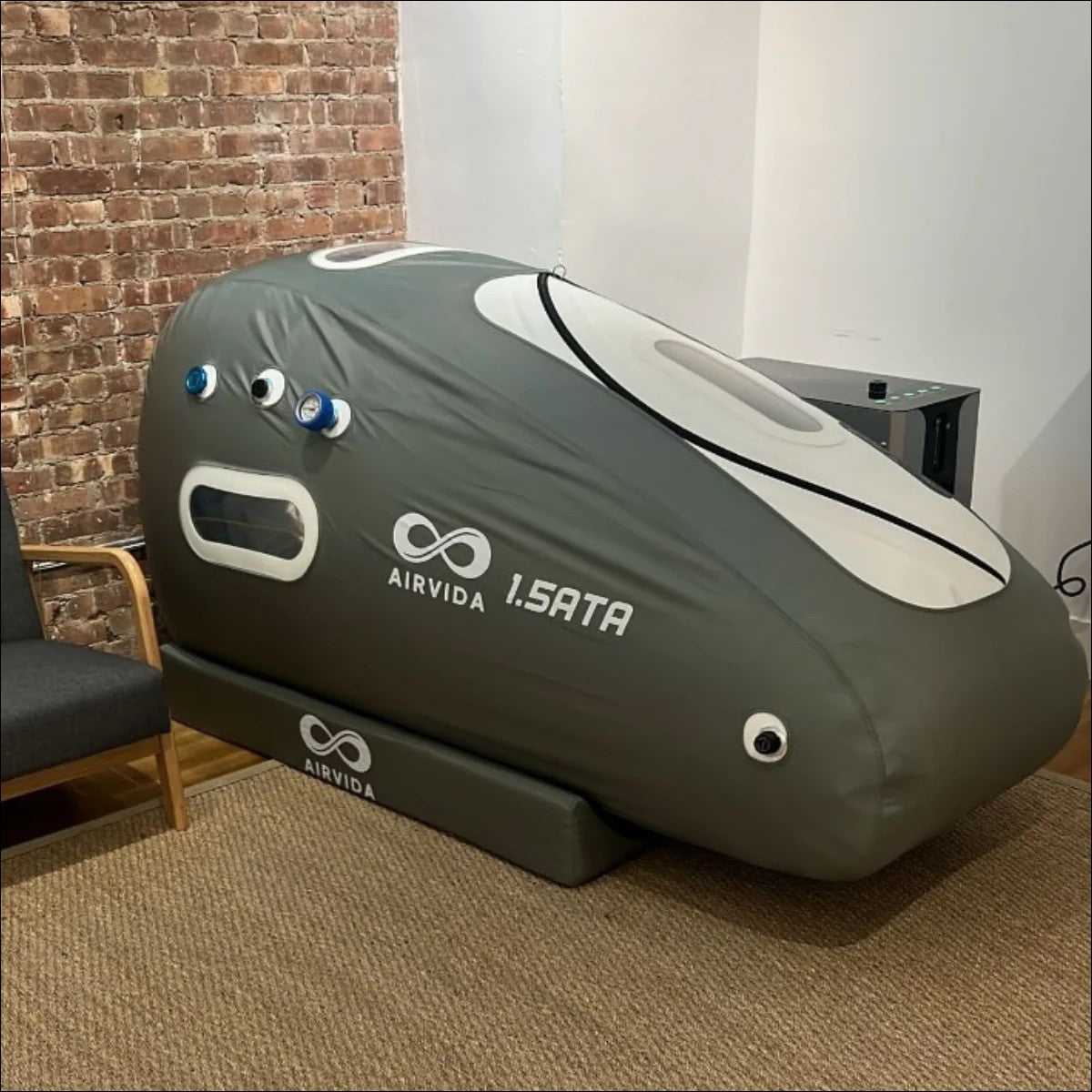
Soft hyperbaric chambers usually max out at 1.5 ATA because their flexible construction limits how much pressure they can safely contain. The soft fabric walls expand under pressure and need to maintain structural integrity.
Hard shell hyperbaric chambers for home use can reach up to 2.0 ATA because their rigid construction handles higher pressures. The solid walls don't flex or deform under increased pressure, allowing for more intense sessions.
At these pressure levels, you can safely operate a chamber at home without medical supervision. The lower pressure range reduces risks while still providing meaningful oxygen enrichment for wellness purposes.
Medical-Grade Chambers: 2.5 to 3.0 ATA
Medical-grade chambers operate at 2.5 to 3.0 ATA, translating to approximately 37 to 44 PSI total pressure or 22 to 30 PSI above atmospheric. These chambers require trained medical staff and proper clinical settings.
Hospitals and specialized clinics use these higher pressures to treat acute medical conditions like carbon monoxide poisoning, decompression sickness, and severe wounds. The increased pressure delivers therapeutic doses of oxygen that home chambers cannot match.
Multiplace hyperbaric chambers in medical facilities can accommodate multiple patients and medical staff simultaneously. These large chambers operate at medical-grade pressures with comprehensive safety systems and monitoring equipment.
The higher pressure creates stronger physiological effects but also increases the risk of complications. Medical supervision ensures safe pressurization and depressurization while monitoring for adverse reactions.
Comparison of Chamber Types and Pressure Ranges
|
Chamber Type |
Pressure Range (ATA) |
Pressure Range (PSI Above Atmospheric) |
Typical Use |
|
Soft Home Chambers |
1.3 - 1.5 ATA |
4 - 7 PSI |
General wellness, recovery support |
|
Hard Shell Home Chambers |
1.3 - 2.0 ATA |
4 - 15 PSI |
Enhanced wellness, athletic recovery |
|
Medical-Grade Chambers |
2.5 - 3.0 ATA |
22 - 30 PSI |
Acute medical conditions, clinical therapy |
How Pressure Affects Hyperbaric Treatment
The pressure level inside a hyperbaric chamber directly influences the therapeutic effects you experience. Different pressures create distinct physiological responses that serve different wellness goals.
Knowing how pressure relates to treatment outcomes helps you set realistic expectations and choose appropriate session parameters for your needs.
Mild Hyperbaric Pressure Benefits (1.3–1.5 ATA)

Mild hyperbaric pressure provides gentle oxygen enrichment that supports everyday wellness without placing strong stress on the body. At 1.3 to 1.5 ATA, oxygen availability increases about 30 to 50 percent. This level may support post-exercise recovery, help reduce inflammation, and improve sleep quality.
Many people use mild chambers regularly as part of a wellness routine because sessions are comfortable and generally well tolerated. The lower pressure allows longer sessions where users can relax, read, or nap. For beginners, mild pressure is often the best starting point because it lets the body adjust gradually before exploring higher pressures.
Moderate Home Pressure Benefits (1.5–2.0 ATA)
Moderate pressure delivers stronger oxygen enrichment, increasing oxygen availability by roughly 50 to 100 percent. Athletes often choose this range for faster recovery, reduced inflammation, and improved tissue repair. Because the pressure is higher, users must equalize ear pressure carefully.
Pressure and Session Duration Guidelines
|
Pressure Level (ATA) |
Recommended Session Duration |
Frequency |
Best For |
|
1.3 - 1.4 ATA |
60 - 90 minutes |
Daily or multiple times daily |
General wellness, beginners |
|
1.5 - 1.7 ATA |
45 - 60 minutes |
3 - 5 times per week |
Athletic recovery, focused wellness |
|
1.8 - 2.0 ATA |
30 - 45 minutes |
3 - 4 times per week |
Intensive recovery, experienced users |
Hyperbaric Chambers You May Want to Shop
Explore More


Choosing the Right Pressure for Your Needs
Selecting the appropriate chamber pressure depends on your wellness goals, experience level, and physical condition. The right pressure balances effectiveness with safety and comfort.
Understanding what different pressure levels offer helps you make an informed decision that aligns with your specific situation and objectives.
Factors to Consider When Selecting Pressure Levels
Your experience with hyperbaric therapy should guide your pressure choice. Beginners usually start at lower pressures, such as 1.3 ATA, to learn how their body responds and practice proper ear pressure equalization.
Comfort also plays an important role. If higher pressures feel uncomfortable or cause anxiety, it may be harder to relax and complete full sessions. Many people start lower and increase pressure gradually as they gain confidence.
Your wellness goals can also influence pressure selection. General wellness, relaxation, and stress support often work well at 1.3 to 1.4 ATA, while athletic recovery or more targeted wellness goals may benefit from 1.5 to 2.0 ATA.
Lower pressure settings are ideal for daily use and longer sessions, especially for beginners. Higher pressures are better suited for shorter, focused recovery sessions and users who are already comfortable with pressure changes. Always follow recommended guidelines for safe use.
Consulting Manufacturer Guidelines
Every chamber comes with specific pressure recommendations from the manufacturer. These guidelines reflect the chamber's design, construction materials, and intended use. Always follow these specifications exactly.
Exceeding recommended pressure limits can damage the chamber, void warranties, and create safety hazards. The structural integrity of chambers depends on staying within designed pressure ranges.
Manufacturer instructions also specify proper pressurization and depressurization rates. Changing pressure too quickly can cause ear discomfort or more serious barotrauma. Following timing guidelines ensures safe, comfortable sessions.
Regular maintenance requirements often relate to pressure levels. Higher pressures may require more frequent inspections or component replacements to maintain safe operation over time.
Learn more about different treatment approaches in our guide to hyperbaric chamber treatment.
Safety Considerations for Chamber Pressure
Operating a hyperbaric chamber safely requires understanding pressure-related risks and following proper protocols. While home chambers operate at relatively mild pressures, you still need to respect the physics involved.
Proper safety practices ensure you gain benefits while avoiding potential complications from pressure changes
Pressure Equalization and Ear Safety

Your ears need to equalize pressure as the chamber pressurizes and depressurizes. The air spaces in your middle ear must adjust to match changing external pressure to prevent discomfort or injury.
Most people equalize by yawning, swallowing, or gently blowing while pinching their nose closed. If you can't equalize, stop pressurization immediately and try again more slowly. Never force pressurization if your ears won't clear.
Congestion from colds, allergies, or sinus infections makes equalization difficult or impossible. Avoid using a hyperbaric chamber when you're congested because you risk ear damage from unequal pressure.
Some people have structural issues with their Eustachian tubes that make pressure changes challenging. If you consistently struggle with equalization, consult an ear specialist before continuing chamber use.
Recognizing Pressure-Related Side Effects
Ear pressure or pain indicates you're pressurizing too quickly or can't equalize properly. Slow down or stop pressurization until discomfort resolves. Mild ear fullness is normal, but sharp pain signals a problem.
Sinus pressure or facial pain suggests blocked sinus passages that can't equalize. Like with ear issues, slow or stop pressurization if you experience sinus discomfort.
Lightheadedness or dizziness sometimes occurs as your body adjusts to increased oxygen. These symptoms usually pass within a few minutes but warrant slowing pressurization if they persist.
Anxiety or claustrophobia can develop in some people, especially during their first sessions. Starting with shorter sessions at lower pressures helps build comfort and confidence.
Pre-Treatment Health Screening
Certain medical conditions require extra caution or contraindicate hyperbaric chamber use. Untreated pneumothorax (collapsed lung) is an absolute contraindication because pressure changes can worsen the condition.
Recent ear surgery, severe congestive heart failure, and some other conditions need medical clearance before starting chamber therapy. Review hyperbaric chamber indications to understand appropriate uses.
Pregnancy requires special consideration. While hyperbaric therapy isn't necessarily harmful during pregnancy, most practitioners recommend avoiding it unless medically necessary due to limited research.
If you take certain medications or have chronic health conditions, discuss chamber use with your healthcare provider. They can advise whether hyperbaric therapy is appropriate for your situation.
Monitoring and Maintaining Proper Pressure
Reliable pressure monitoring ensures safe, effective chamber operation. Modern chambers include built-in gauges and controls that make monitoring straightforward, but you need to understand what you're observing.
Regular maintenance keeps pressure systems functioning correctly and prevents safety issues from developing over time.
Reading Pressure Gauges Accurately
Most chamber gauges display pressure in ATA or PSI, sometimes both. Verify which unit your gauge uses and understand how to interpret the readings correctly before operating your chamber.
Watch the gauge steadily during pressurization to ensure smooth, consistent pressure increases. Jerky or irregular pressure changes might indicate problems with the compressor or pressure relief valves.
The gauge should hold steady at your target pressure once pressurization completes. Significant pressure drops during a session could signal leaks in soft chambers or seal problems in hard shell units.
During depressurization, pressure should decrease gradually and smoothly. Rapid pressure drops can cause ear discomfort and defeat the gradual adjustment your body needs.
Pressure System Maintenance
Compressors require regular maintenance to function reliably and safely. Follow manufacturer schedules for filter changes, oil checks, and general servicing to prevent breakdowns and ensure accurate pressure control.
Seals and zippers in soft chambers wear over time and can develop small leaks. Inspect these components regularly and replace them when damage appears to maintain proper pressurization.
Hard shell chambers use door seals and viewport gaskets that compress and degrade with repeated use. Check these seals before each session and replace them according to manufacturer recommendations.
Pressure relief valves serve as critical safety devices that prevent over-pressurization. Never disable or modify these valves, and have them inspected during regular maintenance to ensure proper function.
Considering costs? Read our article on hyperbaric chamber cost per session to understand pricing factors.
Final Thoughts on Hyperbaric Chamber Pressure

Understanding hyperbaric chamber pressure psi helps you make informed decisions about which chamber type suits your needs and how to use it safely. The pressure range of 1.3 to 2.0 ATA for home wellness chambers provides meaningful oxygen enrichment while maintaining safety for unsupervised use.
Whether you choose a soft chamber operating at 1.3 to 1.5 ATA or a hard shell unit capable of reaching 2.0 ATA, staying within manufacturer specifications ensures you gain benefits without unnecessary risks. Remember that higher pressure doesn't always mean better results—the right pressure depends on your experience, comfort level, and wellness goals.
At Airvida Chambers, we pride ourselves on offering the highest quality hyperbaric chambers on the market, backed by only working with the most reliable partners in the industry. With over 10 years of manufacturing experience, we've helped thousands of individuals and wellness professionals access safe, effective hyperbaric technology for home and professional use.
Our chambers operate at optimal pressure ranges designed specifically for wellness applications, giving you confidence in both safety and effectiveness.
Frequently Asked Questions
What does a hyperbaric chamber do for your body?
A hyperbaric chamber increases atmospheric pressure around your body, which allows your lungs to take in more oxygen than normal. This extra oxygen dissolves directly into your blood plasma and reaches tissues throughout your body. The increased oxygen availability supports cellular energy production, helps reduce inflammation, and may accelerate recovery processes. Many people use chambers for general wellness, athletic recovery, and supporting their body's natural healing responses.
Are hyperbaric chambers legal in the US?
Yes, hyperbaric chambers are completely legal in the United States for both medical and wellness use. Medical-grade chambers operating above 2.0 ATA require FDA approval and must be used under medical supervision. Home wellness chambers operating at 1.3 to 2.0 ATA are legal for personal use without requiring medical oversight or prescriptions. The FDA regulates chambers as medical devices when marketed for treating specific conditions, but wellness use remains unrestricted.
How much do hyperbaric oxygen sessions usually cost?
Professional hyperbaric oxygen sessions at medical facilities typically cost $200 to $500 per session, with treatment protocols often requiring 20 to 40 sessions. Wellness centers offering mild hyperbaric therapy usually charge $75 to $150 per session. Owning a home chamber eliminates per-session costs—after the initial investment, you pay only for electricity to run the compressor, making unlimited sessions very affordable over time.
Who should not use a hyperbaric chamber?
People with untreated pneumothorax (collapsed lung) should never use a hyperbaric chamber because pressure changes can worsen the condition. Those with active colds, sinus infections, or severe congestion should avoid chambers until symptoms clear because blocked airways prevent proper pressure equalization. Anyone with recent ear surgery, certain lung conditions, or severe claustrophobia should consult healthcare providers before starting chamber therapy. Pregnant women should discuss chamber use with their doctors, though hyperbaric therapy isn't necessarily contraindicated during pregnancy.
Do you feel better after a hyperbaric chamber?
Most people report feeling relaxed, energized, or both after hyperbaric sessions. The increased oxygen can create a pleasant, clear-headed sensation that some describe as similar to how they feel after quality sleep or meditation. Athletes often notice reduced muscle soreness and improved recovery after chamber use. Some people experience mild fatigue immediately following sessions as their body processes the extra oxygen, but this typically passes within an hour. Individual responses vary based on pressure level, session length, and personal physiology.
Why does someone go in a hyperbaric chamber?
People use hyperbaric chambers for many reasons, from general wellness to supporting recovery from injuries or intense training. Athletes use them to reduce inflammation and speed recovery between competitions. Some people incorporate chambers into their wellness routines to support cognitive function, sleep quality, and overall vitality. Medical facilities use higher-pressure chambers to treat specific conditions like non-healing wounds, carbon monoxide poisoning, and decompression sickness. The common thread is increasing oxygen availability to support the body's natural processes, whether for health maintenance or addressing specific challenges.
Disclaimer
Airvida and partners' advice does not constitute medical advice and is intended for informative and educational purposes only, with no medical or non-medical claims being made. While research & studies show the potential Hyperbaric Oxygen Therapy (HBOT) and Hyperbaric Air Therapy (HBAT) may have implied benefits, individual results may vary. It is required by Airvida & Partners to consult with doctors before being approved for Hyperbaric Therapy (HBOT & HBAT). Read More HERE