



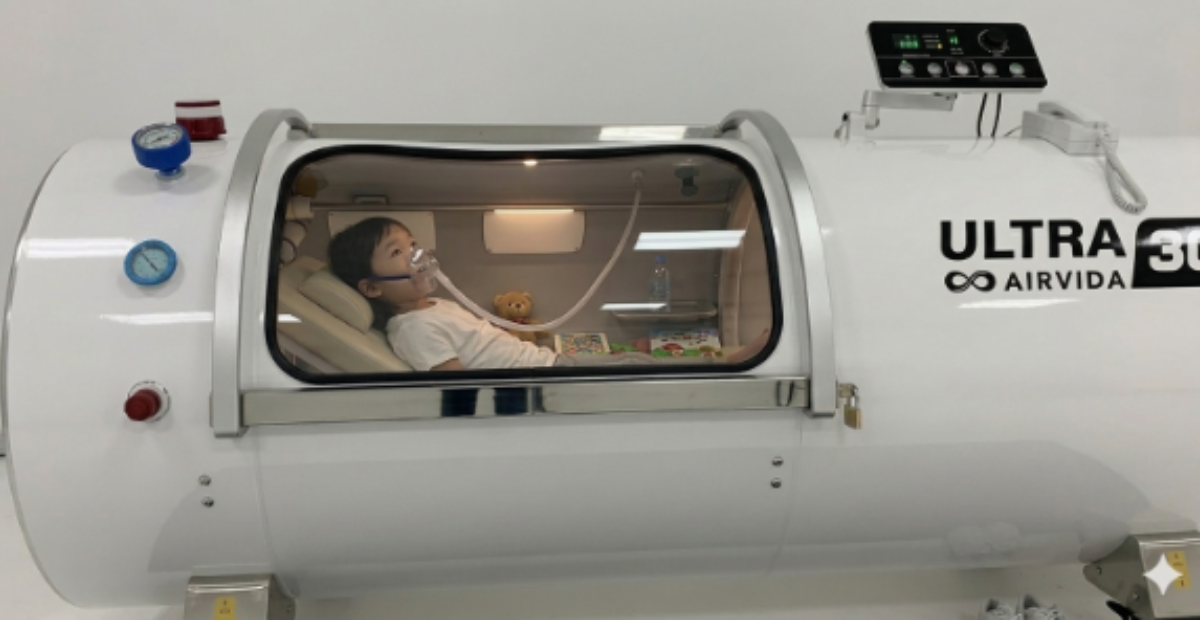
A hyperbaric chamber for autism may help improve oxygen delivery to the brain, which some believe can support cognitive function and behavior. While not a cure, it is used as a complementary therapy alongside standard treatments.
If you are exploring alternative support options, understanding how hyperbaric therapy works and when to use it can help you make informed decisions. Learning its potential benefits, limitations, and proper applications allows you to approach this therapy with realistic expectations and greater confidence in choosing what may best suit your needs.
What Is a Hyperbaric Chamber for Autism
A hyperbaric chamber for autism is a medical or wellness device that delivers oxygen at higher-than-normal pressure levels. This process is known as Hyperbaric Oxygen Therapy (HBOT).
Inside the chamber, the body absorbs more oxygen than it would under normal conditions. This increased oxygen supply may help support brain function, reduce inflammation, and improve cellular repair. Families interested in exploring these potential benefits can learn more about suitable options by visiting the hyperbaric chamber therapy Chicago collection.
Hyperbaric Chambers You May Want to Shop
Explore More


Basic Definition and Purpose
Hyperbaric chambers are enclosed spaces where air pressure is increased, allowing the lungs to take in more oxygen. This oxygen-rich environment is believed to support areas of the brain that may not be functioning optimally.
Parents and caregivers often explore HBOT as a supportive therapy for children with autism to help with focus, communication, and overall behavior. While results can vary, some families report noticeable improvements over time. It is important to approach this option with guidance from healthcare professionals and realistic expectations about possible outcomes.
How It Differs From Traditional Autism Treatments
Traditional autism treatments focus on behavioral, developmental, and educational support. These therapies aim to improve communication, social skills, and daily functioning. While they form the foundation of care, some families explore complementary approaches like HBOT to potentially enhance overall well-being, always under professional guidance and with realistic expectations about possible outcomes.
Here is a quick comparison:
|
Treatment Type |
Purpose |
Approach |
|
Behavioral Therapy |
Improve skills and behavior |
Structured learning sessions |
|
Medication |
Manage symptoms |
Chemical support |
|
HBOT |
Support brain oxygenation |
Physical therapy via oxygen |
HBOT does not replace therapies like speech or occupational therapy. Instead, it is sometimes used alongside them. This combined approach may support overall progress by addressing different aspects of development. Working with qualified professionals can help ensure therapies are properly coordinated, safe, and aligned with the child’s individual needs and goals.
Why Use a Hyperbaric Chamber for Autism

Many families consider a hyperbaric chamber for autism because it may offer additional support beyond traditional therapies. It is often explored as part of a broader care plan aimed at improving overall well-being. However, results can differ, so guidance from healthcare professionals is important before incorporating it into regular routines.
Potential Benefits of Oxygen Therapy
Some reported benefits include:
-
Improved focus and attention
-
Better sleep patterns
-
Reduced inflammation
-
Enhanced communication in some cases
The idea is simple. More oxygen may help brain cells function more efficiently.
Reducing Inflammation and Supporting Brain Function
Research suggests that some individuals with autism may experience brain inflammation or reduced oxygen flow in certain areas. Understanding these factors can help guide therapy choices. While studies are ongoing, interventions that support oxygen delivery and overall brain health are sometimes considered as complementary approaches alongside established treatments, with professional supervision.
HBOT aims to:
-
Increase oxygen supply
-
Support healing processes
-
Improve blood flow
This can potentially help with cognitive and behavioral functions by supporting improved oxygen delivery and overall brain health. When combined with other supportive therapies, it may enhance focus, communication, and daily functioning. For additional strategies to complement these benefits, explore our guide on the best setting for vibration plate.
Complementing Existing Therapies
HBOT is often used alongside other treatments, not as a replacement.
For example:
|
Therapy |
Role |
Combined Benefit |
|
Speech Therapy |
Communication skills |
Improved response and engagement |
|
Occupational Therapy |
Daily skills |
Better focus during sessions |
|
HBOT |
Oxygen support |
Enhances overall brain function |
Combining therapies may provide more well-rounded support.
Hyperbaric Collections You May Want to Shop

How a Hyperbaric Chamber for Autism Works
Understanding how the therapy works can help you decide if it is the right option. Learning about its process, potential benefits, and limitations allows you to make more informed choices. Consulting qualified professionals and reviewing reliable information can further guide your decision and ensure a safe, appropriate approach for your situation.
The Science Behind HBOT
During a session, the chamber increases air pressure to allow more oxygen into the bloodstream.
This oxygen travels to:
-
Brain tissues
-
Blood vessels
-
Cells needing repair
The goal is to improve how the brain functions at a cellular level.
Step-by-Step Process
Here is what a typical session looks like:
-
Enter the chamber and lie comfortably
-
Pressure gradually increases
-
Oxygen levels rise in the body
-
Session lasts 60 to 90 minutes
-
Pressure slowly returns to normal
Consistency is key. Many protocols involve multiple sessions over weeks.
Safety Considerations
HBOT is generally considered safe when supervised properly.
Important reminders:
-
Always consult a healthcare professional
-
Ensure the chamber meets safety standards
-
Monitor for ear pressure discomfort
Not every child may respond the same way, so professional guidance is important.
Which Hyperbaric Chamber Option Is Best

Choosing the right setup matters when considering a hyperbaric chamber for autism. Factors like chamber type, pressure levels, safety features, and ease of use all play a role. Evaluating these aspects carefully, along with professional guidance, can help ensure a safer experience and better alignment with your child’s specific needs and comfort.
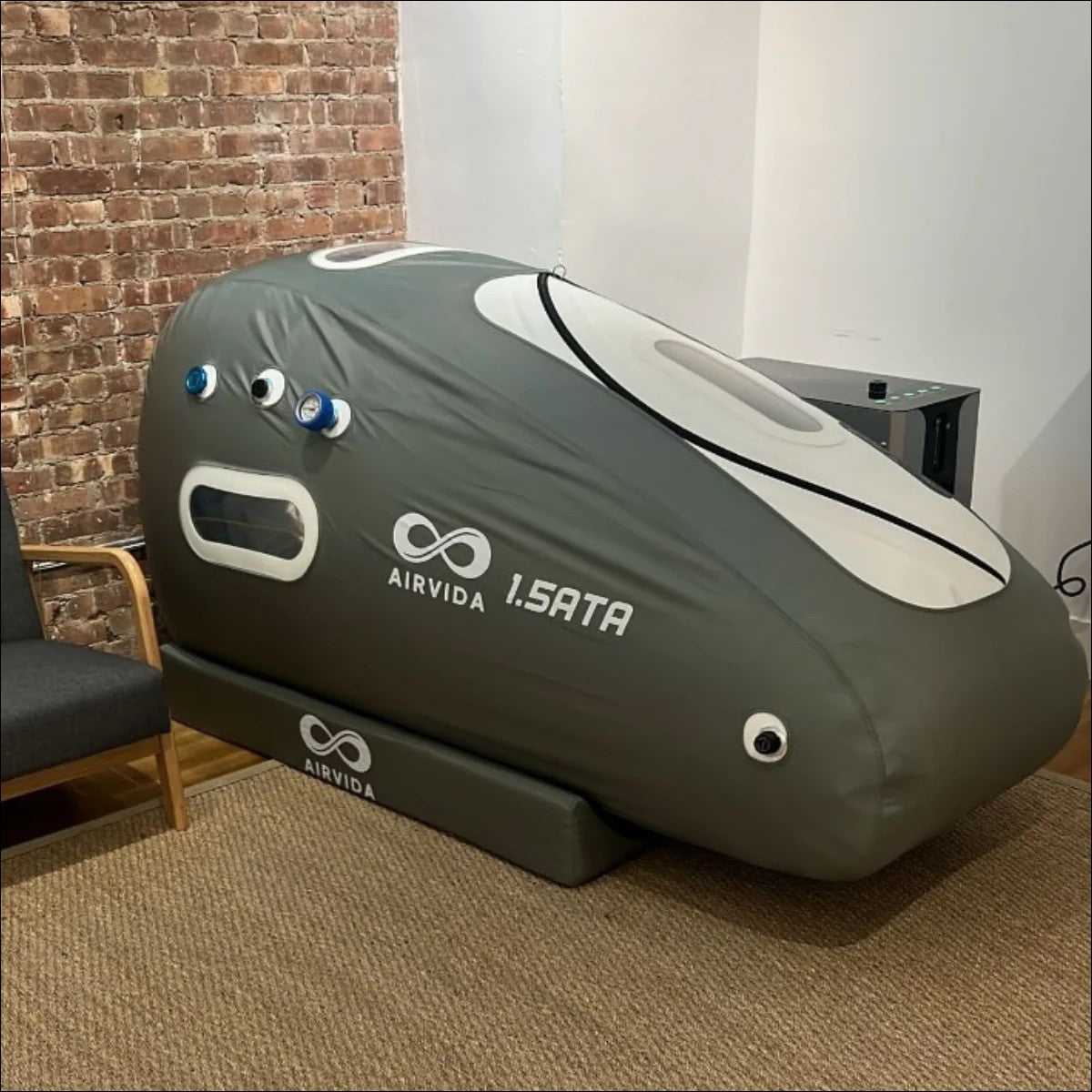
Soft vs Hard Chambers
There are two main types:
|
Type |
Best For |
Features |
|
Soft Chamber |
Home use |
Lower pressure, portable |
|
Hard Chamber |
Clinical use |
Higher pressure, more powerful |
Soft chambers are more accessible for families, while hard chambers are typically found in medical facilities.
Home vs Clinic Use
Deciding where to use HBOT depends on your needs:
-
Home use offers convenience and consistency
-
Clinics provide professional supervision and stronger equipment
If you want flexibility, you can explore options like hyperbaric chamber Arizona.
Factors to Consider Before Choosing
Before investing in a chamber, think about several important factors: your child’s specific needs, the type and size of the chamber, safety features, ease of use, and how it fits into existing therapies. Consulting healthcare professionals and reviewing credible information can help you make a well-informed and responsible decision.
-
Budget
-
Frequency of use
-
Medical guidance
-
Child’s comfort level
Choosing the right option depends on your situation and therapy goals. Consider factors such as your child’s needs, the type of chamber, recommended session frequency, and how it complements other treatments. Consulting healthcare professionals can provide guidance, helping you select the most appropriate setup to support progress safely and effectively.
How to Use a Hyperbaric Chamber Effectively

Using a hyperbaric chamber for autism properly can improve results and safety.
Best Practices for Sessions
To get the most out of each session:
-
Start with shorter sessions and increase gradually
-
Keep a consistent schedule
-
Monitor behavior changes over time
Routine plays a big role in effectiveness.
Creating a Comfortable Environment
Children may feel anxious at first. Make the experience easier by:
-
Bringing familiar items (toys, blankets)
-
Playing calming music
-
Staying nearby for reassurance
Comfort improves cooperation and results.
Combining With Other Therapies
HBOT works best when integrated into a broader care plan.
You can also explore other wellness approaches like: Best Setting on Vibration Plate for Weight Loss.
These methods can complement overall health and physical well-being.
Final Thoughts: Hyperbaric Chamber for Autism

A hyperbaric chamber for autism offers a supportive approach that may enhance oxygen flow and brain function. While it is not a standalone treatment, it can complement existing therapies when used correctly. Consulting a healthcare professional is essential to determine suitability, safety, and how it may fit into a personalized care plan.
Choosing the right type, following safe practices, and combining it with other treatments can help you maximize its potential benefits. Always consult professionals before starting to ensure it fits your child’s needs. Careful monitoring, consistency, and guidance from qualified providers can also support safer and more effective use over time.
Frequently Asked Questions
Can HBOT treat autism?
HBOT cannot cure autism, but it may help support certain symptoms like attention, behavior, and inflammation. Some families report improvements, while others see minimal changes. It works best as a complementary therapy alongside behavioral and developmental treatments rather than a replacement.
What is the best treatment for autism in the world?
There is no single best treatment for autism, as every individual is different. The most effective approach usually combines behavioral therapy, speech therapy, occupational therapy, and sometimes alternative methods like HBOT. A personalized plan based on the child’s needs delivers the best results.
How to calm down an autistic child?
Calming an autistic child often involves reducing sensory overload and creating a safe environment. Techniques include using quiet spaces, calming music, deep pressure activities, and maintaining routines. Understanding triggers and responding with patience is key to helping them feel secure.
What are the treatments for autism?
Autism treatments include behavioral therapies, speech therapy, occupational therapy, and medical support when needed. Some families also explore complementary approaches like HBOT, dietary adjustments, and sensory therapies. A combination tailored to the individual usually works best.