



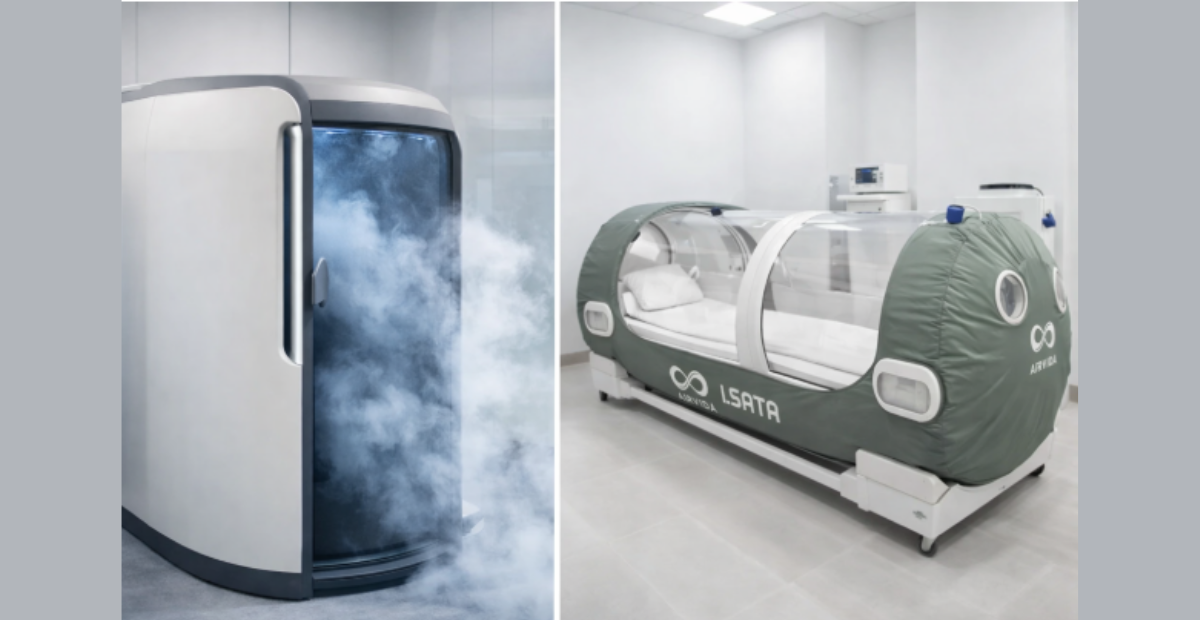
Choosing between cryotherapy vs hyperbaric chamber therapy can transform your recovery routine and overall wellness. Cryotherapy uses extreme cold to reduce inflammation and boost recovery, while hyperbaric chambers deliver pressurized oxygen to accelerate healing at the cellular level.
Both therapies have gained massive popularity among athletes, wellness enthusiasts, and people seeking faster recovery from injuries or health conditions. The right choice depends on your specific goals, whether that's reducing inflammation, speeding up healing, or improving overall performance.
In this guide, we'll break down how each therapy works, what makes them different, and which situations call for one over the other. Keep reading to discover which recovery method fits your lifestyle and health needs.
Ready to experience the healing power of oxygen therapy? Explore our soft hyperbaric chambers designed for home and clinical use.
What is Cryotherapy?
Cryotherapy is a treatment that exposes your body to extremely cold temperatures for short periods. The process triggers your body's natural healing responses and has become a go-to recovery method for athletes and health-conscious individuals.
How Cryotherapy Works

During a cryotherapy session, you step into a specialized chamber where temperatures drop to between -200°F and -300°F (-129°C to -184°C). The extreme cold is typically created using liquid nitrogen or refrigerated cold air.
Sessions last only 2-4 minutes because longer exposure could be dangerous. You wear minimal clothing to maximize skin exposure, along with gloves, socks, and slippers to protect your extremities from frostbite.
The sudden cold shock causes your blood vessels to constrict, pushing blood toward your vital organs. When you step out, your vessels dilate rapidly, and oxygen-rich blood rushes back through your body. This process is what creates many of cryotherapy's reported benefits.
Types of Cryotherapy
Whole Body Cryotherapy (WBC): You stand in a chamber that surrounds your entire body except your head. This is the most common type used for general wellness and recovery.
Localized Cryotherapy: Targeted cold treatment applied to specific body parts or injuries. Therapists use a device that directs cold air to problem areas like sore joints or muscle injuries.
Cryofacials: Cold therapy applied specifically to the face to reduce puffiness, tighten skin, and improve appearance.
Common Uses for Cryotherapy
People use cryotherapy for several reasons:
-
Reducing muscle soreness after intense workouts
-
Decreasing inflammation throughout the body
-
Managing chronic pain conditions
-
Boosting metabolism and energy levels
-
Improving skin appearance and reducing signs of aging
-
Supporting faster recovery between training sessions
-
Hyperbaric Collections You May Want to Shop

What is Hyperbaric Chamber Therapy?
Hyperbaric oxygen therapy (HBOT) involves breathing pure oxygen in a pressurized environment. This treatment saturates your blood and tissues with oxygen at levels impossible to achieve through normal breathing.
How Hyperbaric Chambers Work

Inside a hyperbaric chamber, air pressure increases to 1.5-3 times higher than normal atmospheric pressure. You breathe 100% pure oxygen instead of the 21% oxygen found in regular air.
This combination of pressure and pure oxygen allows your lungs to gather much more oxygen than possible at normal air pressure. Your blood carries this extra oxygen throughout your body, reaching areas where circulation might be reduced or blocked.
The increased oxygen triggers your body's healing mechanisms. It reduces inflammation, promotes new blood vessel growth, and helps your body fight infections more effectively. Sessions typically last 60-90 minutes, and treatment plans often involve multiple sessions over several weeks.
Types of Hyperbaric Chambers
Monoplace Chambers: These accommodate one person lying down in a clear tube. The entire chamber pressurizes with pure oxygen, so you don't need a mask.
Multiplace Chambers: Larger rooms that hold multiple people at once. Everyone wears masks or hoods to breathe pure oxygen while the chamber fills with compressed air. Check out our multiplace hyperbaric chambers for group therapy settings.
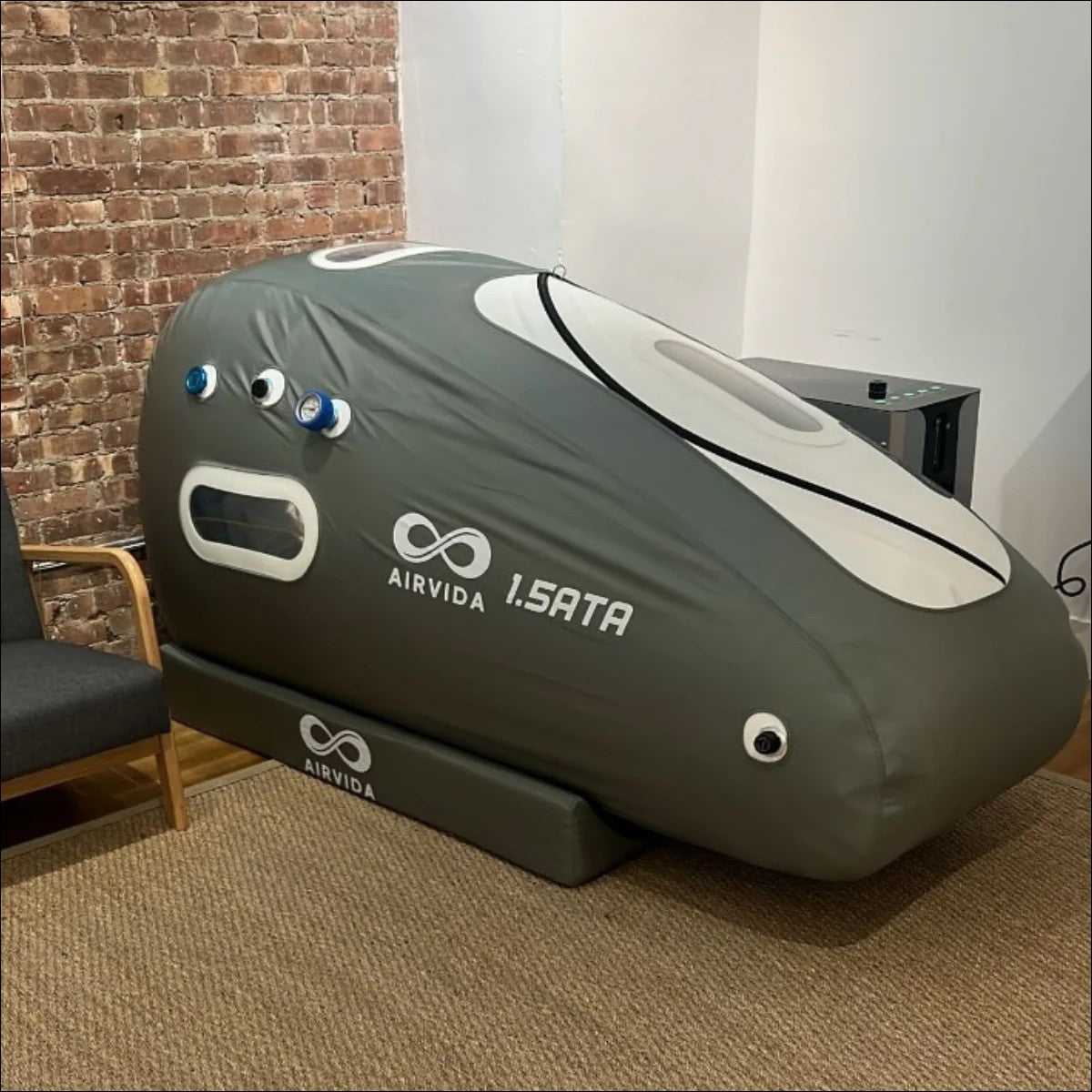
Mild Hyperbaric Chambers: Also called soft chambers, these operate at lower pressures (typically 1.3-1.5 ATA) and are popular for home use and wellness applications.
Medical and Wellness Applications
Hyperbaric therapy treats a wide range of conditions:
-
Wound healing, especially diabetic foot ulcers
-
Carbon monoxide poisoning
-
Decompression sickness in divers
-
Radiation injury from cancer treatment
-
Certain types of infections
-
Sports injuries and muscle recovery
-
Brain injury recovery and neurological conditions
Athletes use hyperbaric chambers to speed recovery between competitions. Some people also use them for anti-aging benefits and cognitive enhancement. Learn more about hyperbaric oxygen therapy aging benefits.
Cryotherapy vs Hyperbaric Chamber: Key Differences

When comparing cryotherapy vs hyperbaric chamber therapy, several factors set them apart. Understanding these differences helps you choose the right treatment for your specific needs and goals.
|
Feature |
Cryotherapy |
Hyperbaric Chamber |
|
Treatment Method |
Extreme cold exposure (-200°F to -300°F) |
Pressurized oxygen therapy (1.5-3 ATA) |
|
Session Duration |
2-4 minutes |
60-90 minutes |
|
Primary Mechanism |
Vasoconstriction and vasodilation |
Increased oxygen delivery to tissues |
|
Best For |
Inflammation, muscle soreness, quick recovery |
Wound healing, tissue repair, chronic conditions |
|
Frequency |
Daily or multiple times per week |
Several sessions per week for weeks or months |
|
Cost Per Session |
$40-$100 |
$100-$300 (medical) or $50-$150 (wellness) |
|
Accessibility |
Many wellness centers and spas |
Hospitals, clinics, and specialized centers |
Temperature vs. Pressure
The most obvious difference is the treatment approach. Cryotherapy relies on extreme cold to trigger your body's response, while hyperbaric therapy uses increased pressure and oxygen concentration.
Cryotherapy's cold creates an immediate shock that your body reacts to quickly. The effects happen fast but may not last as long. Hyperbaric therapy works more gradually, saturating your tissues with oxygen over longer periods for deeper, more lasting cellular changes.
Treatment Time and Convenience
Cryotherapy wins for convenience. A 3-minute session fits easily into a lunch break. You walk in, freeze for a few minutes, and leave feeling energized.
Hyperbaric sessions require a bigger time commitment. You need to block out at least 90 minutes when including prep time and decompression. However, this longer exposure allows for more comprehensive treatment of underlying conditions.
Targeted vs. Systemic Effects
Cryotherapy primarily affects your circulatory and nervous systems. The cold triggers responses that reduce inflammation and pain throughout your body. You can also target specific areas with localized cryotherapy.
Hyperbaric therapy works at the cellular level across your entire body. The extra oxygen reaches every tissue, supporting healing processes that might be impaired by poor circulation or chronic conditions. For serious medical conditions like air embolism, specialized equipment such as air embolism hyperbaric chambers provides life-saving treatment.
Comparing Benefits: Which Therapy Delivers Better Results?

Both therapies offer impressive benefits, but they excel in different areas. Your choice should match your primary health goals and the specific outcomes you want to achieve.
Recovery and Performance
For athletes focused on quick recovery between training sessions, cryotherapy offers fast results. The cold reduces muscle soreness and inflammation within hours. Many athletes use it daily during intense training periods.
Hyperbaric therapy supports deeper recovery from injuries and overtraining. It accelerates tissue repair, reduces oxidative stress, and helps your body adapt to training stress. While results take longer to appear, they tend to be more substantial for serious injuries.
Pain and Inflammation Management
Cryotherapy provides immediate but temporary relief from pain and inflammation. The cold numbs nerve endings and reduces swelling quickly. It works great for acute injuries or post-workout soreness.
Hyperbaric therapy addresses chronic inflammation at its source. By delivering oxygen to inflamed tissues, it supports your body's natural healing processes. Results build over time with consistent treatment. Research shows significant improvements in chronic pain conditions after multiple sessions.
|
Benefit Category |
Cryotherapy |
Hyperbaric Chamber |
|
Acute Muscle Soreness |
Excellent - immediate relief |
Good - gradual improvement |
|
Chronic Pain |
Moderate - temporary relief |
Excellent - addresses root causes |
|
Injury Healing |
Good - reduces inflammation |
Excellent - accelerates tissue repair |
|
Athletic Performance |
Good - faster recovery between sessions |
Very Good - enhances endurance and adaptation |
|
Skin Health |
Excellent - tightens skin, reduces inflammation |
Good - improves collagen production |
|
Energy Levels |
Excellent - immediate boost |
Very Good - sustained improvement |
|
Mental Clarity |
Good - short-term alertness |
Excellent - enhanced brain function |
|
Immune Function |
Moderate - temporary boost |
Very Good - sustained enhancement |
Long-Term Health and Wellness
Cryotherapy excels at making you feel better immediately. It boosts energy, improves mood, and creates a sense of invigoration. Regular use may support metabolism and help with weight management.
Hyperbaric therapy offers more substantial long-term benefits. It promotes new blood vessel growth, supports cellular health, and may slow aging processes. Studies suggest regular HBOT can improve cognitive function and even lengthen telomeres. Find out more about whether hyperbaric chamber ages you or provides anti-aging benefits.
Safety and Side Effects
Both therapies are generally safe when administered properly. Cryotherapy carries risks of cold burns if done incorrectly, and people with certain heart conditions should avoid it.
Hyperbaric therapy's main side effects are ear pressure (similar to flying) and temporary vision changes. Some people experience mild claustrophobia in monoplace chambers. Serious complications are rare but can include lung damage if protocols aren't followed.
Which Therapy is Right for Your Goals?

Your best choice between cryotherapy vs hyperbaric chamber therapy depends on what you want to achieve, your budget, and how much time you can commit to treatment.
Choose Cryotherapy If You:
-
Need fast relief from muscle soreness or post-workout inflammation
-
Want a quick energy boost that fits into a busy schedule
-
Prefer immediate, noticeable effects
-
Are looking for an affordable wellness routine
-
Enjoy the invigorating feeling of cold therapy
-
Want to improve skin appearance and reduce puffiness
-
Need something you can do daily without major time investment
Cryotherapy makes sense for active individuals who need frequent recovery support. It's perfect if you work out regularly and want to reduce downtime between sessions.
Hyperbaric Chambers You May Want to Shop
Explore More


Choose Hyperbaric Therapy If You:
-
Have chronic health conditions that need deeper healing
-
Are recovering from serious injuries or surgery
-
Want to address underlying inflammation and circulation issues
-
Can commit to a structured treatment protocol over several weeks
-
Need medical-grade treatment for specific conditions
-
Are focused on long-term health optimization and anti-aging
-
Experience cognitive issues or want to enhance brain function
Hyperbaric therapy suits people dealing with stubborn health issues that haven't responded well to other treatments. It's also ideal for those committed to comprehensive wellness programs.
Can You Combine Both Therapies?
Many people use both therapies for different purposes. You might use cryotherapy for regular workout recovery while doing periodic hyperbaric sessions for deeper healing.
Some wellness centers even offer both treatments in sequence. The combination can provide immediate inflammation reduction from cryotherapy followed by the deep cellular benefits of oxygen therapy.
Just space them appropriately and consult with healthcare providers to create a safe, effective protocol. The therapies work through different mechanisms and can complement each other well when used strategically.
Wrapping Up Your Recovery Therapy Decision
Both cryotherapy and hyperbaric chamber therapy offer powerful benefits for recovery, healing, and wellness. Cryotherapy delivers quick, energizing results perfect for daily recovery needs, while hyperbaric therapy provides deep cellular healing for chronic conditions and serious injuries. Your choice ultimately depends on your health goals, time availability, and the specific outcomes you want to achieve. For comprehensive wellness and the full range of hyperbaric chamber benefits, hyperbaric oxygen therapy stands out as the superior option for long-term health optimization and medical-grade treatment results.
You May Also Like to Read
Red Light Therapy for Wrinkles: Anti-Aging Benefits Backed by Science
Hyperbaric Chamber Help With Skin: What Science Says About Skin Repair
Best Medical-Grade Red Light Therapy Devices: At-Home & Clinical Use
Frequently Asked Questions
Is cryotherapy better than red light therapy?
Cryotherapy and red light therapy serve different purposes and aren't directly comparable. Cryotherapy reduces inflammation and provides immediate recovery benefits through cold exposure, while red light therapy promotes cellular healing and skin health through light wavelengths. Red light therapy is gentler and better for skin conditions, wound healing, and daily wellness. Cryotherapy excels at post-workout recovery and reducing acute inflammation. Many people use both therapies for complementary benefits.
What's better than cryotherapy?
Hyperbaric oxygen therapy often produces more comprehensive results than cryotherapy for serious health conditions and deep tissue healing. While cryotherapy provides quick relief from inflammation and soreness, HBOT addresses underlying cellular issues and promotes lasting recovery. For athletic performance and daily recovery, ice baths offer similar benefits to cryotherapy at a lower cost. The "best" option depends on your specific health goals and whether you need surface-level recovery or deeper cellular repair.
Did Michael Phelps sleep in a hyperbaric chamber?
Michael Phelps has used hyperbaric chambers as part of his training and recovery routine, though he didn't sleep in one overnight. Many elite athletes, including Phelps, use HBOT sessions lasting 60-90 minutes to enhance recovery between competitions. Some athletes do use altitude simulation chambers for sleep, which creates a low-oxygen environment to boost red blood cell production. This is different from hyperbaric therapy, which provides high oxygen levels under pressure for healing and recovery.
How long to stay in a cryo chamber?
Typical cryotherapy sessions last only 2-4 minutes. This short duration is crucial for safety, as longer exposure to temperatures between -200°F and -300°F can cause serious tissue damage. Most facilities recommend 3 minutes as the standard session length. First-timers often start with 2 minutes and work up to 3-4 minutes as they become accustomed to the cold. Never exceed recommended time limits, as the extreme cold can quickly become dangerous.
What are the 4 stages of cryotherapy?
The four stages of cryotherapy describe how your body responds to extreme cold. Stage 1 is the initial shock when you enter the chamber and your body reacts to the temperature drop. Stage 2 involves vasoconstriction, where blood vessels narrow and blood moves toward your core organs. Stage 3 is the treatment phase where inflammation decreases and endorphins release. Stage 4 occurs after exiting, when vasodilation happens and oxygen-rich blood rushes back through your body, delivering the recovery benefits you're seeking.
What is the next treatment after cryotherapy?
After cryotherapy, many people follow up with heat therapy, stretching, or massage to maximize recovery benefits. Light exercise or mobility work helps circulate the oxygen-rich blood flowing through your body post-treatment. For medical conditions, your doctor may recommend additional therapies like physical therapy, red light therapy, or hyperbaric oxygen therapy depending on your specific needs. Some wellness protocols combine cryotherapy with infrared sauna sessions, spacing them several hours apart for complementary hot and cold benefits.
Disclaimer
Airvida and partners advice does not constitute medical advice and is intended for informative and educational purposes only with no medical or non medical claims being made. While research & studies show the potential Hyperbaric Oxygen Therapy (HBOT) and Hyperbaric Air Therapy (HBAT) may have implied benefits, individual results may vary. It is required by Airvida & Partners to consult with doctors before being approved for Hyperbaric Therapy (HBOT & HBAT). Read More HERE