




The best hyperbaric oxygen therapy for alopecia focuses on increasing oxygen delivery to hair follicles to stimulate regrowth and reduce inflammation. By improving scalp circulation and cellular repair, HBOT may support healthier, thicker hair over time.
If you are exploring advanced, non-invasive treatments for hair loss, understanding how oxygen therapy works can help you decide whether it fits your regrowth plan. Learning about its potential effects on scalp circulation, inflammation, and follicle health may give you clearer insight into whether this supportive approach aligns with your overall hair restoration goals.
Understanding Alopecia and Why Oxygen Matters
Alopecia is not just cosmetic. It often involves inflammation, autoimmune responses, poor scalp circulation, or follicle miniaturization. When follicles do not receive adequate oxygen and nutrients, they weaken and may enter a resting phase.
Oxygen plays a critical role in:
-
Cellular metabolism
-
Collagen production
-
Blood vessel formation
-
Tissue repair
Hair follicles are metabolically active structures. They require consistent oxygen supply to remain in the growth phase known as anagen. Reduced circulation can shorten this phase, leading to thinning hair. That is why therapies focused on increasing oxygen availability are gaining attention, especially in centers offering advanced solutions like the hyperbaric chamber Charleston, SC, where individuals explore oxygen-based wellness approaches to support scalp health and hair vitality.
What Is Hyperbaric Oxygen Therapy?

Hyperbaric oxygen therapy involves breathing 100 percent oxygen inside a pressurized chamber. The increased pressure allows oxygen to dissolve more effectively into plasma, reaching tissues that may have limited blood supply.
In a standard session:
-
You relax inside a chamber
-
Pressure gradually increases
-
You breathe concentrated oxygen
-
Sessions last 60 to 90 minutes
Unlike topical solutions that work only at the surface, HBOT works systemically by enhancing oxygen saturation throughout the body, including scalp tissues. This comprehensive approach may support follicle health, circulation, and cellular repair. For guidance on safe, effective therapy, see the Best Hyperbaric Chamber Wilmington, NC: A Complete Buyer and User Guide.
How the Best Hyperbaric Oxygen Therapy for Alopecia Works
To understand the best hyperbaric oxygen therapy for alopecia, it helps to look at how oxygen affects hair biology. Oxygen plays a vital role in cellular energy production, tissue repair, and circulation. When follicles receive adequate oxygen, they may function more efficiently, potentially supporting healthier growth cycles and improved scalp conditions.
-
Improves Scalp Circulation
Pressurized oxygen increases blood vessel formation, a process called angiogenesis. More micro-vessels mean better nutrient delivery to dormant follicles. Improved circulation may also enhance oxygen saturation within scalp tissues, potentially supporting cellular repair, reducing localized inflammation, and creating a healthier environment that encourages follicles to transition back into active growth phases.
-
Reduces Inflammation
Alopecia areata is often autoimmune-related. Oxygen therapy has shown potential in reducing inflammatory cytokines that contribute to follicle damage. By supporting tissue oxygenation and modulating immune responses, it may help calm localized inflammation, potentially protecting vulnerable follicles and encouraging a more stable environment for gradual hair regrowth over time.
-
Enhances Cellular Repair
Oxygen accelerates tissue regeneration and collagen synthesis. Healthier scalp tissue provides a stronger foundation for hair growth. Enhanced cellular repair may also improve follicle resilience, support microcirculation, and strengthen the surrounding dermal structures, potentially creating optimal conditions for thicker, more consistent hair growth over time with proper care.
-
Supports Growth Phase Activation
Improved oxygenation may help follicles shift from the resting phase back into active growth. By enhancing cellular energy production and supporting better blood flow, increased oxygen levels may stimulate metabolic activity within the follicle, potentially encouraging a smoother transition into the anagen phase and promoting more consistent, sustained hair growth cycles.
Hyperbaric Chambers You May Want to Shop
Explore More


Types of Alopecia That May Benefit
Not all forms of hair loss respond the same way. HBOT may be more beneficial in certain cases.
|
Type of Alopecia |
Cause |
Potential Benefit from HBOT |
|
Alopecia Areata |
Autoimmune |
May reduce inflammation and support regrowth |
|
Androgenetic Alopecia |
Hormonal/genetic |
May improve circulation but works best combined with other treatments |
|
Telogen Effluvium |
Stress-related |
Supports faster recovery and scalp repair |
|
Scarring Alopecia |
Permanent damage |
Limited benefit once follicles are destroyed |
The best outcomes typically occur when follicles are still alive but underperforming.
Why Location and Equipment Quality Matter

Choosing the right chamber impacts results. When searching for the best hyperbaric oxygen therapy for alopecia, consider:
-
Medical-grade oxygen purity
-
Adjustable pressure settings
-
Certified technicians
-
Clean, well-maintained chambers
For those seeking effective treatments, selecting a facility with high standards is essential. Explore options like the hyperbaric chamber Marietta, GA, where certified technicians, clean chambers, and precise oxygen delivery help ensure a safe, supportive environment for alopecia-focused therapy.
Comparing HBOT to Traditional Hair Loss Treatments
Many patients combine therapies for better outcomes.
|
Treatment |
How It Works |
Strengths |
Limitations |
|
Minoxidil |
Stimulates blood flow |
Widely available |
Requires continuous use |
|
Finasteride |
Blocks DHT hormone |
Effective for male pattern |
Hormonal side effects |
|
PRP Therapy |
Platelet injections |
Stimulates growth factors |
Requires repeated sessions |
|
Hyperbaric Oxygen |
Increases systemic oxygen |
Supports healing and circulation |
Needs consistent sessions |
HBOT is often used as a complementary therapy rather than a replacement.
How Many Sessions Are Typically Needed?

Consistency matters.
Most protocols suggest:
-
2 to 5 sessions per week
-
20 to 40 total sessions
-
Evaluation at 8 to 12 weeks
Hair growth cycles take time. Visible improvements may take 3 to 6 months.
Practical tip: Take scalp photos every 30 days under the same lighting to track changes consistently. Documenting progress objectively helps prevent unrealistic expectations and allows you to monitor subtle improvements over time. For those considering long-term use, you can explore options to Buy Hyperbaric Chamber for home therapy.
Safety and Considerations
Hyperbaric oxygen therapy is generally well tolerated when supervised by trained professionals. However:
-
Ear pressure discomfort may occur
-
Mild fatigue after sessions is common
-
People with certain lung conditions require evaluation
Always consult a medical provider before beginning therapy for alopecia. A healthcare professional can assess your condition, review potential risks, and recommend appropriate protocols. For those exploring advanced options, articles like the Best Hyperbaric Chamber Birmingham, AL: Top Options offer expert guidance and safe, well-maintained chambers.
Who Is a Good Candidate?

You may benefit most if:
-
Hair thinning is recent
-
Follicles are still active
-
You want a non-drug approach
-
You plan to combine therapies
Those with complete follicle destruction or advanced scarring alopecia may see limited improvement.
Is the Best Hyperbaric Oxygen Therapy for Alopecia Worth It?
The best hyperbaric oxygen therapy for alopecia is not a miracle cure. However, it addresses one key factor often overlooked in hair regrowth: oxygen supply. When follicles receive more oxygen, they function more efficiently. Combined with nutritional support, stress management, and medical treatment if needed, HBOT can strengthen your overall strategy.
The real advantage lies in its systemic effect. Rather than targeting a single hormone or pathway, it enhances the biological environment needed for regeneration, supporting overall tissue health and cellular function. Similar systemic benefits have been observed in articles like Hyperbaric Chamber for Alzheimer's Patients: Key Benefits, highlighting the therapy’s broad potential.
Hyperbaric Collections You May Want to Shop

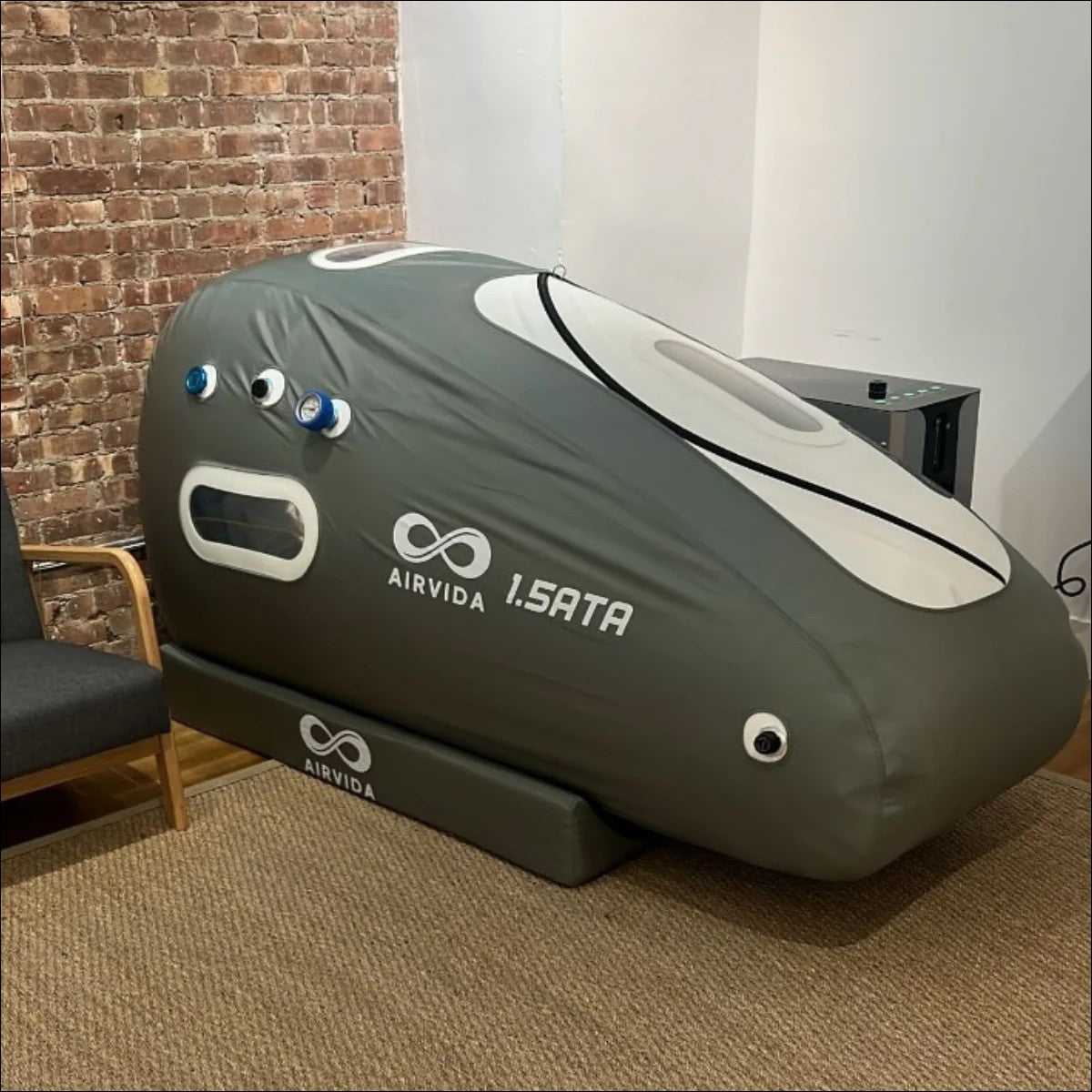
Final Thoughts on Choosing the Best Hyperbaric Oxygen Therapy for Alopecia
Finding the best hyperbaric oxygen therapy for alopecia means choosing high-quality equipment, experienced providers, and a realistic treatment plan. Oxygen is fundamental to cellular health, and improving its delivery may help revive underperforming follicles.
Hair regrowth is rarely about one solution. It is about supporting the scalp from multiple angles. If you are ready to explore oxygen-based therapy, consider a professional-grade chamber and consistent sessions for measurable results.
Frequently Asked Questions
Is hyperbaric oxygen therapy good for hair loss?
Yes, hyperbaric oxygen therapy may support hair loss treatment by increasing oxygen delivery to hair follicles. Improved oxygenation enhances circulation, reduces inflammation, and promotes tissue repair. While it may not reverse genetic baldness alone, it can improve scalp health and complement treatments like PRP or topical solutions for better overall regrowth results.
What is the most successful treatment for alopecia?
The most successful treatment depends on the type of alopecia. For androgenetic alopecia, medications like minoxidil and finasteride are commonly effective. For alopecia areata, corticosteroids or immune-modulating therapies are often used. Many specialists now recommend combining traditional treatments with regenerative options such as hyperbaric oxygen therapy for improved outcomes.
What are the big 3 for hair regrowth?
The big three treatments for hair regrowth are minoxidil, finasteride, and ketoconazole shampoo. These address blood flow, hormonal factors, and scalp inflammation. However, supportive therapies like hyperbaric oxygen treatment may enhance the environment for regrowth by improving circulation and cellular repair.
How to give oxygen to hair follicles?
You can increase oxygen to hair follicles by improving scalp circulation and systemic oxygen levels. Methods include regular exercise, scalp massage, microneedling, and hyperbaric oxygen therapy. HBOT is one of the most direct approaches because it increases dissolved oxygen in the bloodstream, allowing more oxygen to reach dormant or weakened follicles.