


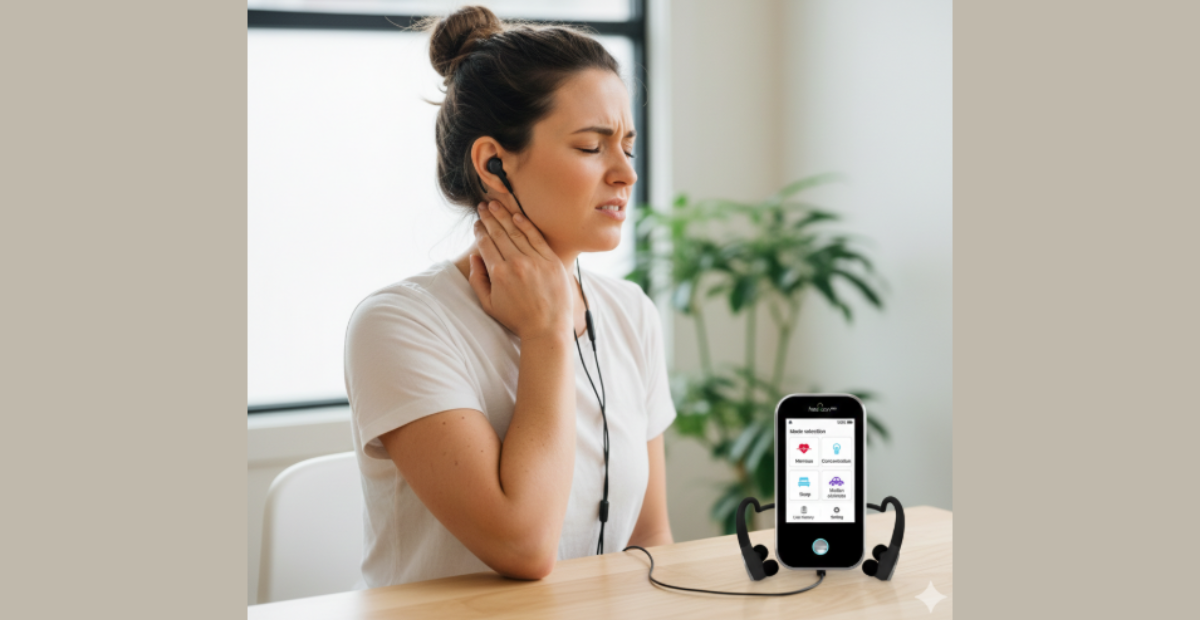
Pinched vagus nerve in neck symptoms often include dizziness, neck tightness, anxiety-like sensations, digestive changes, and irregular heart sensations. These symptoms happen because the vagus nerve plays a key role in regulating breathing, digestion, and the nervous system’s balance.
When the nerve is compressed or irritated in the neck, signals between your brain and body can become disrupted, leading to widespread and sometimes confusing symptoms that feel unrelated at first.
Understanding the Vagus Nerve and Its Role

The vagus nerve is one of the most important communication highways in the body. It connects the brainstem to major organs, including the heart, lungs, and digestive system. Because of its wide reach, even mild irritation in the neck area can trigger symptoms throughout the body.
Where the Vagus Nerve Runs in the Neck
The vagus nerve exits the skull and travels down both sides of the neck, running close to the carotid artery and jugular vein. As it passes through muscles, connective tissue, and near the cervical vertebrae, this pathway is also why some people explore supportive tools such as a Vagus Nerve Stimulator as part of a broader nervous system support approach before the nerve continues into the chest and abdomen.
Because of this location, it can be affected by:
-
Poor posture, especially forward head posture
-
Muscle tension in the neck and shoulders
-
Cervical spine misalignment
-
Inflammation or soft tissue swelling
Even subtle compression can interfere with nerve signaling, which is why symptoms can appear without a clear injury.
Why the Neck Is a Common Problem Area
The neck is highly mobile but also structurally complex. Long hours looking down at screens, sleeping in awkward positions, or chronic stress can all create tension around the cervical spine.
When neck muscles tighten, they reduce space around nerves. Over time, this can irritate the vagus nerve and lead to persistent symptoms that feel neurological, digestive, or emotional rather than purely muscular.
Because the vagus nerve passes through and near structures in the neck, this area is often a focus for supportive interventions. Some people explore tools such as vagus nerve stimulation devices to help encourage parasympathetic activity, especially when neck tension or irritation may be contributing to nervous system imbalance. Options found within the Vagus Nerve Stimulator for Cluster Headaches collection are commonly considered as part of a broader, non-invasive nervous system support approach.
Pinched Vagus Nerve in Neck Symptoms Explained

Pinched vagus nerve in neck symptoms can vary widely from person to person. Some people notice mild discomfort, while others experience symptoms that interfere with daily life.
Common Physical Symptoms
Many symptoms appear physical at first and may resemble other conditions.
These often include:
-
Neck pain or stiffness that does not improve with rest
-
Head pressure or tension headaches
-
Dizziness or lightheadedness, especially when standing
-
A lump-in-the-throat sensation or difficulty swallowing
-
Changes in voice or frequent throat clearing
These signs happen because the vagus nerve influences muscles in the throat and helps regulate blood pressure and circulation.
Nervous System and Sensory Changes
The vagus nerve is a major part of the parasympathetic nervous system. When it is irritated, your body may struggle to shift into a relaxed state.
People often report:
-
Increased anxiety or panic-like sensations
-
Heart palpitations without clear cardiac causes
-
Sensitivity to stress or noise
-
Trouble sleeping or staying asleep
These symptoms can feel overwhelming, especially when medical tests come back normal.
Digestive and Internal Symptoms
Because the vagus nerve controls digestion, gastrointestinal symptoms are common.
These may include:
-
Nausea or bloating
-
Constipation or diarrhea
-
Reduced appetite or early fullness
-
Acid reflux symptoms
Digestive changes often appear alongside neck discomfort, which is a key clue that nerve involvement may be present.
For a deeper look into how vagus nerve issues present across the body, this guide on
Vagus Nerve Dysfunction Symptoms explains related patterns many people overlook.
What Causes a Pinched Vagus Nerve in the Neck

Understanding the cause is essential for proper relief. The vagus nerve is rarely pinched by a single factor. It is usually the result of combined mechanical and lifestyle stressors.
Posture and Cervical Misalignment
Modern lifestyles place constant strain on the neck. Forward head posture increases pressure on cervical structures and tightens surrounding muscles.
Over time, this creates:
-
Reduced nerve mobility
-
Chronic muscle guarding
-
Local inflammation near nerve pathways
Correcting posture is often one of the most effective long-term strategies.
Muscle Tension and Chronic Stress
Stress activates the sympathetic nervous system, causing muscles to tighten. When this happens daily, muscles around the neck may never fully relax.
Tight muscles compress nearby nerves and reduce blood flow, making nerve irritation more likely.
Injury or Degenerative Changes
Whiplash, sports injuries, or degenerative disc changes can also affect nerve space.
Even mild degeneration can alter alignment enough to irritate the vagus nerve, especially when combined with poor posture or muscle tension.
Vagus Nerve Device You May Want to Shop
Explore More
How Pinched Vagus Nerve Symptoms Differ From Other Neck Nerve Issues
Not all neck nerve problems are the same. Understanding the difference helps avoid misdiagnosis.
Vagus Nerve vs Cervical Nerve Compression
Cervical nerve compression often causes localized pain, tingling, or weakness in the arms. Vagus nerve irritation tends to cause systemic symptoms instead.
Key differences include:
|
Feature |
Vagus Nerve Involvement |
Cervical Nerve Compression |
|
Pain pattern |
Neck with internal symptoms |
Neck with arm pain |
|
Digestive symptoms |
Common |
Rare |
|
Anxiety-like sensations |
Common |
Uncommon |
|
Heart rate changes |
Possible |
Rare |
This distinction is why people with vagus nerve issues often feel dismissed or misunderstood.
How to Relieve a Pinched Vagus Nerve in the Neck

Relief focuses on reducing irritation, restoring movement, and calming the nervous system.
Gentle Neck and Breathing Techniques
Slow neck movements combined with controlled breathing can improve nerve mobility.
Helpful practices include:
-
Diaphragmatic breathing
-
Slow head rotations within a pain-free range
-
Chin tucks to improve alignment
Consistency matters more than intensity.
Postural Adjustments That Matter
Simple changes can reduce strain:
-
Raising screens to eye level
-
Supporting the neck during sleep
-
Avoiding prolonged phone use with head tilted down
These adjustments reduce daily compression that prevents healing.
Advanced Support Options
Some people benefit from supportive therapies designed to calm the nervous system.
Additionally, therapies that improve circulation and cellular recovery may help overall nerve health. Some individuals combine posture work with recovery-focused tools such as those found in the Red Light Therapy for Hair Loss Collection due to red light’s effects on tissue recovery and inflammation modulation.
Which Relief Approach Is Best and Why
No single solution works for everyone. The best approach addresses both mechanical and nervous system factors.
Why a Multi-Step Approach Works Best
Pinched vagus nerve symptoms develop over time. Treating only pain without addressing posture or stress often leads to recurring issues.
Combining:
-
Neck mobility
-
Posture correction
-
Nervous system calming techniques
provides the most consistent improvement.
How to Choose the Right Option for You
If symptoms worsen with stress, nervous system regulation is critical. If symptoms worsen with posture or movement, mechanical correction should be prioritized.
Many people benefit from doing both at the same time.
Related Recovery and Nervous System Insights
Understanding how the body heals can provide reassurance during recovery. You may find it helpful to read about how oxygen-based therapies support healing in
Do Hyperbaric Chambers Help Broken Bones?
Practical Daily Tips to Reduce Symptoms
Small daily habits make a measurable difference.
|
Daily Habit |
Why It Helps |
|
Screen breaks every 30 minutes |
Reduces neck compression |
|
Nasal breathing |
Activates vagal pathways |
|
Gentle neck stretches |
Improves nerve glide |
|
Stress management |
Prevents muscle guarding |
These habits support healing without overwhelming the body.
Key Takeaways on Pinched Vagus Nerve in Neck Symptoms
Pinched vagus nerve in neck symptoms can feel confusing because they affect both physical and internal systems. Neck discomfort, dizziness, digestive changes, and anxiety-like sensations often share a common nerve-based origin.
By addressing posture, muscle tension, and nervous system balance together, many people aim for steady improvement rather than temporary relief, especially when symptoms may overlap with related issues such as heart rate changes discussed in Understanding Vagus Nerve Tachycardia After Eating.
Frequently Asked Questions
How do you fix a pinched vagus nerve?
Fixing a pinched vagus nerve involves reducing irritation and restoring proper nerve signaling rather than forcing the nerve into place. This usually starts with correcting posture, especially forward head posture, and reducing neck muscle tension through gentle mobility work. Breathing exercises that stimulate the parasympathetic nervous system are also important. In more persistent cases, supportive therapies like vagus nerve stimulation, stress regulation techniques, and professional guidance may be helpful to calm nerve overactivity and support recovery.
What does a trapped vagus nerve feel like?
A trapped vagus nerve often feels like a mix of neck discomfort and internal symptoms rather than sharp localized pain. People commonly describe dizziness, a tight throat sensation, irregular heartbeats, nausea, or anxiety without a clear emotional trigger. These sensations can come and go, worsen with stress, or appear after long periods of poor posture. Because symptoms affect multiple systems, they are often mistaken for anxiety or digestive disorders.
How do you stretch the neck to reset the vagus nerve?
Stretching the neck to support the vagus nerve focuses on gentle, controlled movements rather than aggressive stretching. Slow head rotations, chin tucks, and side bending combined with deep nasal breathing help improve nerve mobility. The goal is to reduce muscle tension and improve alignment, not force flexibility. Performing these movements daily in a relaxed manner supports the nervous system and prevents further irritation.
Can vagus nerve stimulation cause diarrhea?
Vagus nerve stimulation can influence digestion because the nerve directly controls gut motility and secretion. In some people, increased stimulation may temporarily speed up digestion, leading to loose stools or mild diarrhea. This response is usually dose-related and improves as the body adapts. If digestive changes are persistent or uncomfortable, reducing stimulation intensity or frequency is often enough to restore balance.