


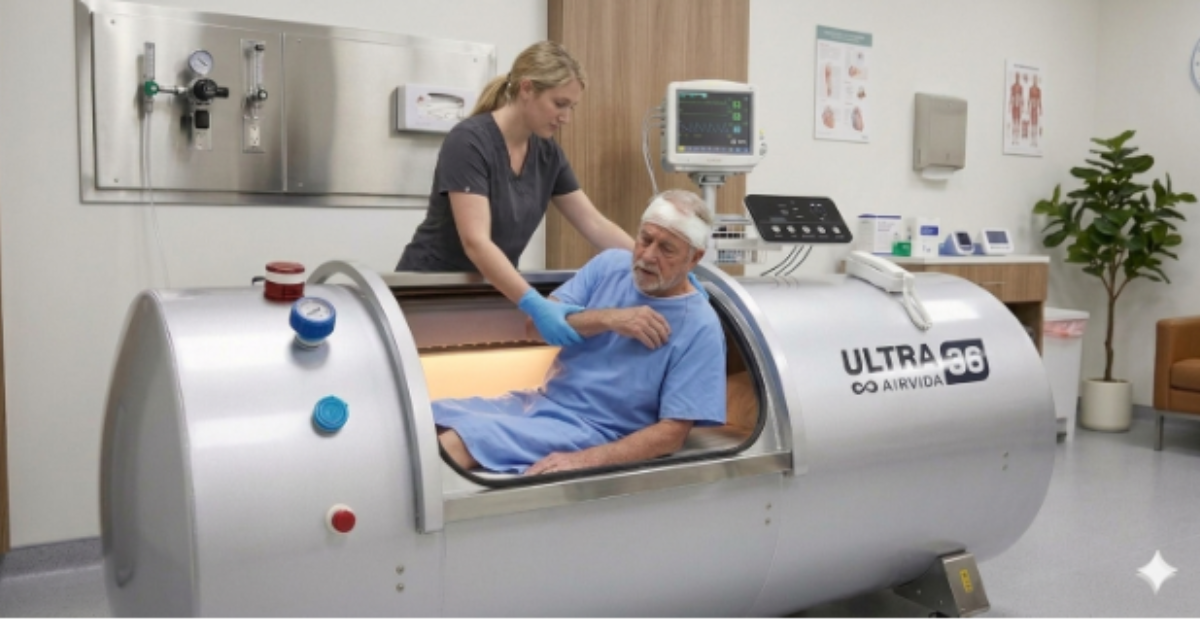
Oxygen therapy can help improve brain function and support recovery after injury, but it does not fully reverse brain damage in every case. The effectiveness depends on the severity, timing, and type of brain injury, along with the therapy used.
Understanding how oxygen therapy reverse brain damage works will help you decide whether it’s the right option for recovery and long-term brain health, especially when considering factors like severity of injury, consistency of treatment, potential benefits, possible limitations, and the importance of consulting medical professionals before starting any therapy plan.
What Happens During Brain Damage
Brain damage occurs when brain cells are deprived of oxygen or injured due to trauma, stroke, or illness. Once neurons are damaged, they do not easily regenerate, which is why recovery can be challenging.
Common Causes of Brain Damage
-
Traumatic brain injury (TBI)
-
Stroke or lack of oxygen (hypoxia)
-
Infections affecting the brain
-
Neurodegenerative conditions
When oxygen supply is reduced, brain cells begin to die within minutes, potentially leading to serious and lasting neurological damage. This is where therapies that restore oxygen levels may help limit further damage, improve cellular function, enhance circulation, and support the brain’s natural healing processes over time with proper medical guidance. For example, specialized treatments such as a hyperbaric chamber in Tampa are designed to deliver concentrated oxygen, which can play a role in supporting recovery and enhancing overall brain health.
What Is Oxygen Therapy and How Does It Work?

Oxygen therapy delivers concentrated oxygen to the body, helping tissues receive more oxygen than normal breathing provides. This increased oxygen availability may support cellular repair, improve circulation, and enhance overall tissue function, especially in areas with limited blood flow, while potentially aiding recovery processes when used consistently under proper medical supervision.
Types of Oxygen Therapy
|
Type of Therapy |
How It Works |
Best For |
|
Standard Oxygen Therapy |
Delivered through mask or nasal tube |
Mild oxygen deficiency |
|
Hyperbaric Oxygen Therapy (HBOT) |
Patient breathes oxygen in a pressurized chamber |
Brain injuries, stroke recovery |
|
Supplemental Oxygen |
Used in medical settings |
Respiratory conditions |
In Hyperbaric Oxygen Therapy, increased pressure allows oxygen to dissolve directly into the bloodstream, enabling it to reach areas with limited or compromised blood flow. This process may help improve oxygen delivery to damaged tissues, support cellular repair, reduce inflammation, and promote more efficient healing when administered under proper medical supervision.
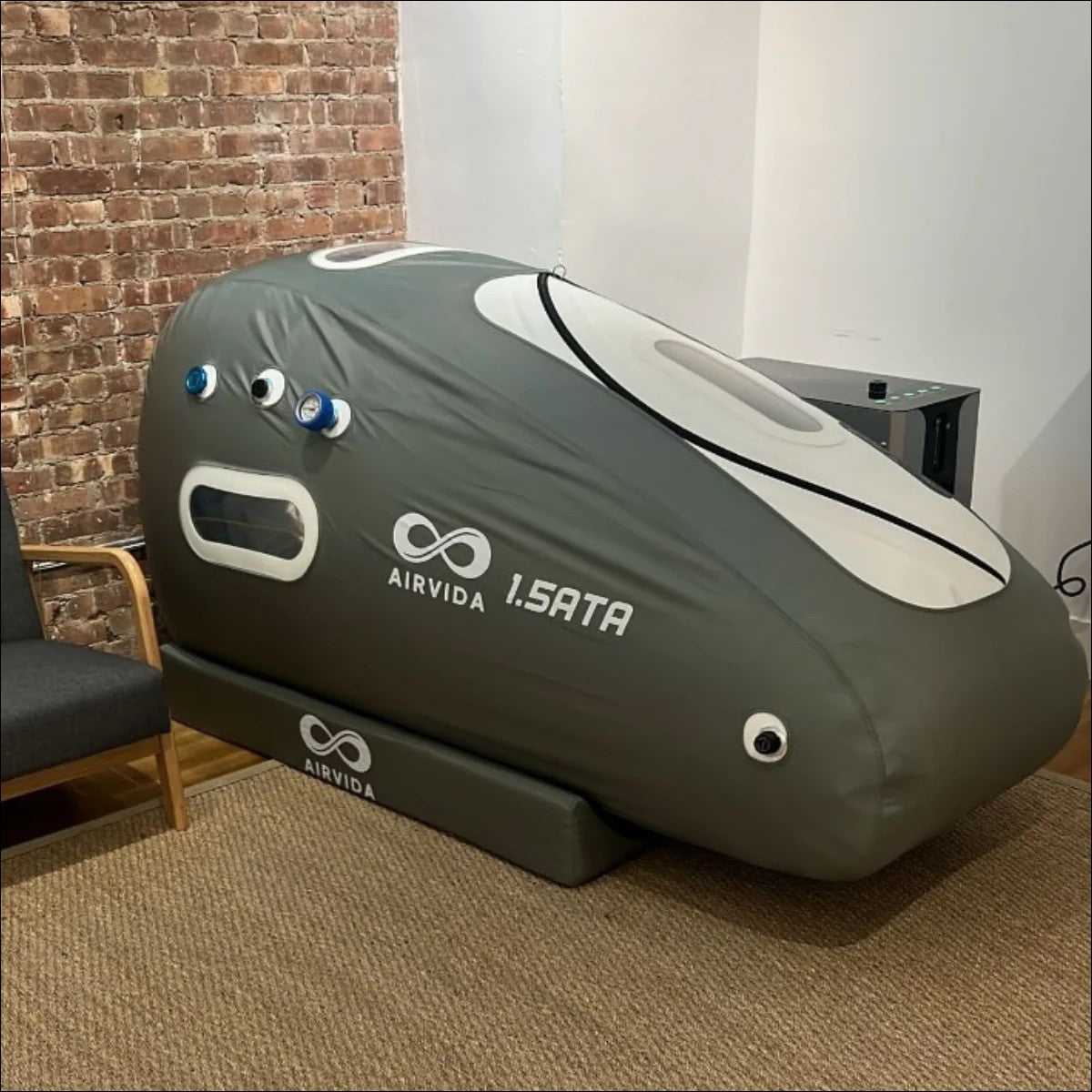
Hyperbaric Collections You May Want to Shop

Can Oxygen Therapy Reverse Brain Damage?
The idea that oxygen therapy reverse brain damage completely is not entirely accurate, as full recovery depends on many factors, including severity and timing of treatment. However, it may significantly improve brain function, enhance neuroplasticity, support tissue repair, and aid recovery in certain conditions when used consistently under proper medical supervision.
Why Oxygen Therapy Helps
-
Increases oxygen delivery to damaged brain tissue
-
Reduces inflammation in the brain
-
Promotes growth of new blood vessels
-
Supports neuroplasticity (brain rewiring)
When It Works Best
|
Condition |
Effectiveness |
|
Mild traumatic brain injury |
High improvement potential |
|
Stroke recovery |
Moderate to high |
|
Severe brain damage |
Limited but supportive |
|
Chronic neurological issues |
Varies |
The key factor is timing, as earlier intervention often leads to better outcomes in recovery. Prompt treatment may help preserve more brain function, reduce the extent of damage, and improve the effectiveness of supportive therapies. Delays, on the other hand, can limit potential improvements and make recovery more challenging over time for patients. In some cases, advanced oxygen-based therapies such as a hyperbaric chamber Houston, TX can be considered to support recovery, especially when guided by medical professionals.
How Hyperbaric Oxygen Therapy Supports Brain Recovery

Hyperbaric Oxygen Therapy is one of the most researched forms of oxygen therapy for neurological conditions, with studies exploring its potential to support brain repair, reduce inflammation, and enhance cognitive function. While results vary, ongoing research continues to examine its effectiveness, safety, and long-term benefits across different types of brain-related injuries and disorders.
How HBOT Helps the Brain
-
Enhances oxygen saturation in brain tissues
-
Activates dormant neurons
-
Improves blood flow to injured areas
-
Reduces swelling and pressure
Patients undergoing HBOT often report improvements in memory, focus, and cognitive clarity.
Conditions That May Benefit From Oxygen Therapy
Oxygen therapy is used for several neurological and medical conditions, including stroke recovery support, traumatic brain injury, and carbon monoxide poisoning. It may also assist in improving oxygen delivery to damaged tissues, reducing inflammation, and supporting overall cellular repair processes, depending on the condition and how early treatment is administered.
Common Applications
-
Stroke rehabilitation
-
Traumatic brain injuries
-
Post-concussion syndrome
-
Long COVID neurological symptoms
-
Autism-related neurological support
If you want to explore related use cases, read: hyperbaric chamber for autism. This condition responds differently, so treatment plans are usually personalized.
Hyperbaric Chambers You May Want to Shop
Explore More


Benefits vs Limitations of Oxygen Therapy
Understanding both sides helps you make a realistic decision about oxygen-based therapies, including their potential benefits, limitations, and suitability for your specific condition. This balanced perspective allows you to set proper expectations, avoid misconceptions, and work more effectively with healthcare professionals when considering treatment options for recovery and long-term health support.
Benefits
-
Improves oxygen supply to brain cells
-
Supports healing and recovery
-
Non-invasive treatment option
-
Can enhance cognitive performance
Limitations
-
Does not fully regenerate dead brain cells
-
Requires multiple sessions
-
Results vary per individual
-
Can be costly over time
How Long Does It Take to See Results?

Recovery timelines vary depending on the condition, severity of injury, and treatment frequency, as well as individual response to therapy. Some people may notice gradual improvements within weeks, while others require months of consistent sessions. Ongoing medical supervision helps track progress, adjust treatment plans, and optimize potential recovery outcomes effectively over time.
Typical HBOT Timeline
|
Stage |
What to Expect |
|
1–5 sessions |
Mild improvements in energy and clarity |
|
10–20 sessions |
Noticeable cognitive improvements |
|
20–40 sessions |
Significant recovery support |
Consistency plays a major role in treatment outcomes, as regular sessions help maintain stable oxygen levels in tissues and support ongoing healing processes. Skipping sessions may reduce overall effectiveness, slow progress, and limit potential benefits, especially in therapies that rely on cumulative effects over time for neurological or tissue recovery. This is particularly relevant in emerging applications such as the use of a hyperbaric chamber for long COVID, where consistent therapy may support gradual improvements in energy, circulation, and cognitive function.
Practical Tips Before Starting Oxygen Therapy
Before beginning treatment, consider these important tips:
-
Consult a medical professional for diagnosis
-
Choose certified hyperbaric facilities
-
Follow recommended session schedules
-
Track progress and symptoms
Also, maintaining a healthy lifestyle improves therapy results. Proper sleep, hydration, and nutrition support brain recovery.
Alternative Therapies for Brain Recovery

While oxygen therapy is powerful, it works best when combined with other treatments such as physical rehabilitation, medication when needed, and healthy lifestyle changes. This integrated approach may enhance recovery outcomes, support long-term brain function, and address multiple aspects of healing, rather than relying on a single therapy alone for improvement.
Complementary Options
-
Physical therapy
-
Cognitive rehabilitation
-
Nutritional therapy
-
Neurofeedback
Combining therapies often delivers better outcomes than relying on a single approach, as different treatments can target multiple aspects of recovery simultaneously. For example, oxygen therapy may support cellular repair, while rehabilitation improves function and strength, and medications manage symptoms, creating a more comprehensive and effective overall healing process for patients.
Final Thoughts on Oxygen Therapy Reverse Brain Damage
While oxygen therapy reverse brain damage completely is not always possible, it plays a critical role in improving recovery, brain function, and quality of life. The earlier the intervention and the more consistent the treatment, the better the potential results.
If you are considering this therapy, focus on realistic expectations and a comprehensive treatment plan to maximize benefits. This includes understanding potential outcomes, following medical guidance, maintaining consistency, and combining therapy with other supportive treatments such as rehabilitation, nutrition, and lifestyle adjustments to improve overall recovery and long-term health results effectively.
Frequently Asked Questions
Does oxygen therapy help brain damage?
Yes, oxygen therapy helps brain damage by improving oxygen delivery to injured brain cells, reducing inflammation, and supporting recovery processes. While it may not fully reverse damage, it enhances brain function and promotes healing, especially when started early and combined with other therapies.
How long does HBOT last?
HBOT sessions typically last between 60 to 90 minutes, depending on the treatment plan and condition being addressed. Most patients undergo multiple sessions over several weeks, and the effects can accumulate over time, leading to gradual improvements in cognitive and physical function.
What is the best therapy for brain damage?
The best therapy for brain damage often includes a combination of treatments such as oxygen therapy, physical rehabilitation, and cognitive therapy. Each case is different, so a personalized approach guided by medical professionals usually delivers the most effective results.
Is hyperbaric oxygen therapy safe?
Hyperbaric oxygen therapy is generally safe when performed under medical supervision in certified facilities. Mild side effects like ear pressure or fatigue may occur, but serious complications are rare when proper protocols are followed.