


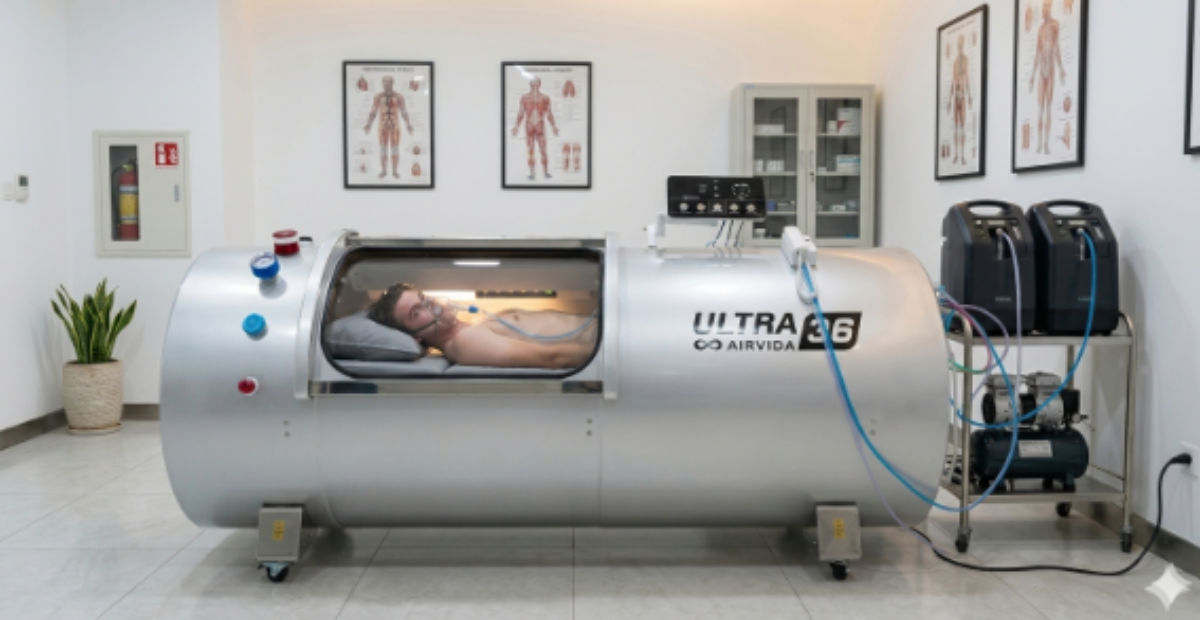
A hyperbaric chamber for drowning victims helps increase oxygen supply in the body after oxygen deprivation. It can support brain recovery and reduce complications caused by near-drowning incidents.
When used alongside emergency care, this treatment improves oxygen delivery to tissues and may enhance survival outcomes. By increasing oxygen levels in the bloodstream, it may support vital organ function, reduce tissue damage, and assist the body’s natural recovery processes during critical situations where oxygen deprivation is a major concern.
Why Oxygen Deprivation Is Critical After Drowning
Drowning incidents often lead to a dangerous condition where the brain and vital organs are deprived of oxygen. Even a few minutes without oxygen can result in long-term damage or death.
When someone inhales water, it disrupts normal breathing and prevents oxygen from reaching the bloodstream. This leads to hypoxia, which is the main reason complications occur after near‑drowning. In some cases, treatments like a hyperbaric oxygen chamber in Billings, MT, may be considered to help improve oxygen delivery and support recovery following severe hypoxic injury.
What Happens in the Body During Drowning
-
Oxygen levels drop rapidly
-
Carbon dioxide levels rise
-
Brain cells begin to die within minutes
-
Organs start to fail if oxygen is not restored
The faster oxygen is restored, the better the chances of survival and recovery.
What Is a Hyperbaric Chamber and How It Works

A hyperbaric chamber is a medical device that allows patients to breathe pure oxygen in a pressurized environment, significantly increasing the amount of oxygen dissolved in the blood. This enhanced oxygen delivery may support tissue repair, reduce inflammation, and help improve the body’s natural healing processes in certain medical conditions.
How It Helps the Body Recover
|
Function |
Benefit |
|
Increased oxygen pressure |
Delivers oxygen deeper into tissues |
|
Improved blood oxygen levels |
Supports brain and organ recovery |
|
Reduced swelling |
Helps prevent further tissue damage |
|
Enhanced healing |
Promotes faster recovery |
Unlike normal breathing, this process allows oxygen to reach areas with limited blood flow, which is crucial after drowning. By enhancing oxygen diffusion at the cellular level, it may help support damaged tissues, reduce the effects of oxygen deprivation, and assist in stabilizing vital functions during the early stages of recovery. For more details on how oxygen therapy may aid brain function, see hyperbaric oxygen therapy for cognitive support.
Hyperbaric Collections You May Want to Shop

Why Use a Hyperbaric Chamber for Drowning Victims
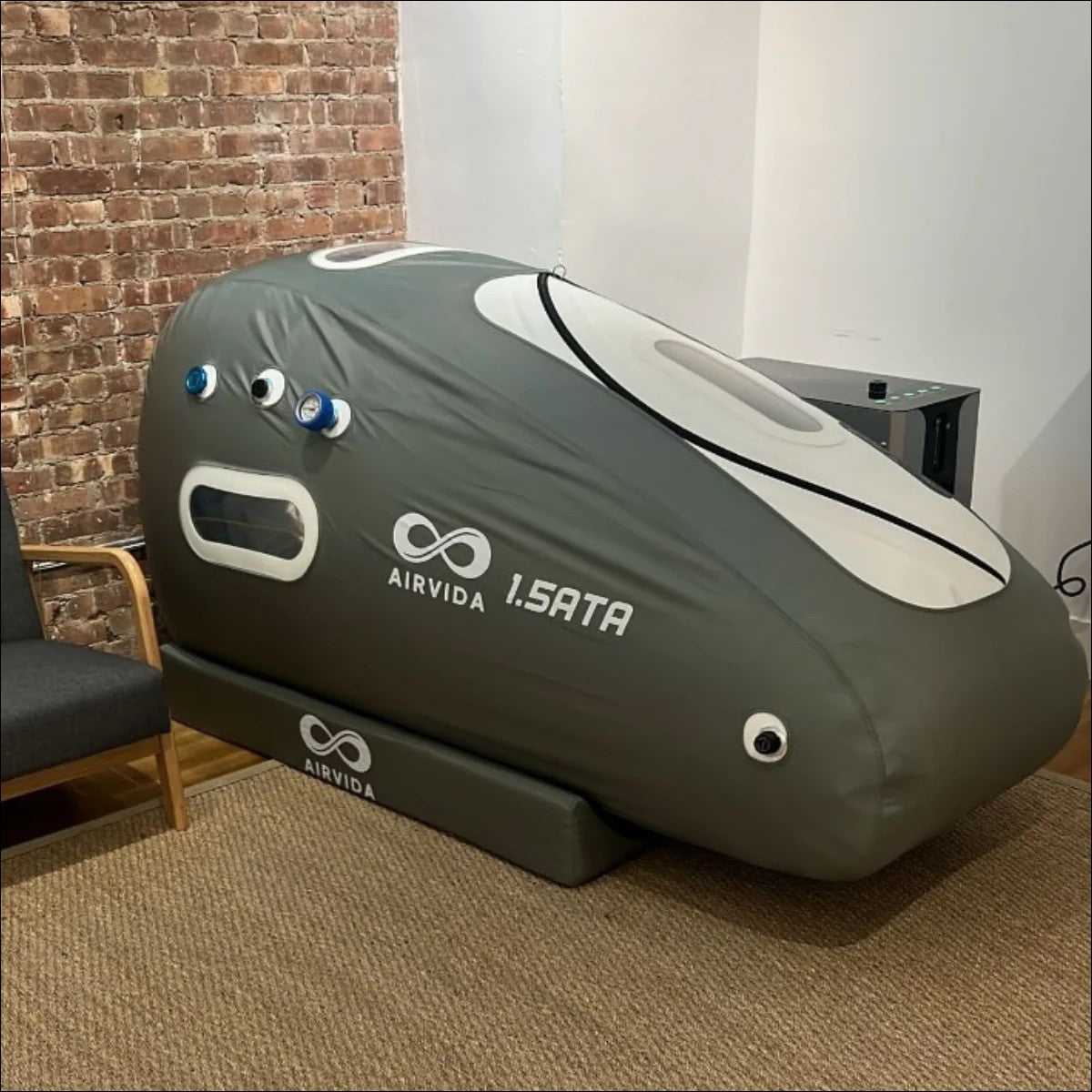
Using a hyperbaric chamber for drowning victims provides targeted oxygen therapy that can help reverse some of the effects of hypoxia. By delivering higher concentrations of oxygen under pressure, it may support brain function, reduce cellular damage, and assist the body’s natural recovery processes during critical post-rescue care situations.
Key Benefits After Near-Drowning
-
Improves oxygen supply to the brain
-
Reduces inflammation and swelling
-
Supports neurological recovery
-
May lower risk of permanent brain damage
This therapy is often considered when patients show signs of neurological injury after being rescued. By increasing oxygen delivery to the brain, it may help limit further damage, support cognitive function, and promote recovery. In some cases, early intervention with this approach could improve overall neurological outcomes and long-term functional recovery potential.
How Hyperbaric Oxygen Therapy Supports Brain Recovery

The brain is the most sensitive organ when it comes to oxygen deprivation. Even short periods without oxygen can cause serious damage. Hyperbaric oxygen therapy works by delivering oxygen at higher pressure levels, allowing it to penetrate brain tissues more effectively.
Why This Matters
|
Condition |
Effect Without Treatment |
With Hyperbaric Therapy |
|
Brain hypoxia |
Cell death |
Improved oxygenation |
|
Swelling |
Increased pressure |
Reduced inflammation |
|
Neurological damage |
Long-term impairment |
Potential recovery support |
This is especially important in cases where patients are unconscious or show delayed symptoms. In such situations, underlying oxygen deprivation may not be immediately visible, yet still cause ongoing damage. Prompt evaluation and supportive therapies may help stabilize the patient, reduce complications, and improve the chances of a more complete and timely recovery.
When Is Hyperbaric Therapy Used After Drowning
Hyperbaric therapy is not always the first step. Emergency response teams prioritize resuscitation, CPR, and stabilization.
However, it becomes relevant in specific situations.
Common Scenarios Where It’s Considered
-
Prolonged oxygen deprivation
-
Signs of brain injury
-
Delayed recovery after rescue
-
Complications such as lung damage
Doctors evaluate each case carefully before recommending treatment.
Step-by-Step: Recovery Process After Drowning
Understanding the full recovery journey helps explain where hyperbaric therapy fits in. From initial rescue and stabilization to rehabilitation, each stage plays a critical role in healing. Integrating supportive treatments like oxygen therapy may enhance recovery by addressing underlying tissue damage, improving circulation, and promoting the body’s natural repair processes over time.
Emergency to Recovery Timeline
-
Rescue and removal from water
-
CPR and oxygen support
-
Hospital stabilization
-
Monitoring brain and organ function
-
Consideration of advanced therapies like hyperbaric oxygen
This structured approach ensures that patients receive the right care at the right time.
Choosing the Right Hyperbaric Chamber Option

Not all chambers are the same, and each type is designed for specific use cases and patient requirements. Choosing the right setup depends on medical needs, accessibility, and treatment goals. Factors such as pressure capacity, size, and professional supervision may influence effectiveness, safety, and the overall treatment experience for different individuals.
Available Options
You can explore specialized systems here: Hyperbaric Chamber in Malibu.
What to Consider
-
Pressure capability
-
Chamber size and comfort
-
Medical-grade certification
-
Ease of use and safety features
Selecting the right chamber ensures optimal treatment effectiveness.
Hyperbaric Chambers You May Want to Shop
Explore More


Related Benefits Beyond Emergency Use
Hyperbaric oxygen therapy is not only used for emergencies but is also applied in various health conditions. By delivering high concentrations of oxygen under controlled pressure, it may help support tissue repair, reduce inflammation, improve circulation, and assist the body’s natural healing processes in both acute and chronic medical scenarios.
For example: Best Hyperbaric Oxygen Therapy for Alopecia: Does It Really Help Hair Regrowth?
These applications show how oxygen therapy supports healing, brain function, and recovery across different conditions. By enhancing oxygen delivery to tissues, it may help reduce inflammation, promote cellular repair, and improve overall physiological function. Over time, consistent therapy could contribute to better recovery outcomes and support long-term health maintenance.
Risks and Considerations
While hyperbaric therapy offers benefits, it is not without risks. Potential complications can include ear or sinus pressure, temporary vision changes, and, in rare cases, oxygen toxicity. Careful monitoring, proper medical supervision, and individualized treatment plans are essential to maximize benefits while minimizing risks, ensuring the therapy is safe and effective for each patient.
Possible Side Effects
-
Ear pressure or discomfort
-
Temporary vision changes
-
Oxygen toxicity (rare)
-
Claustrophobia
Medical supervision is always required to ensure safety.
Practical Tips for Emergency Preparedness

Being prepared can make a difference in drowning situations.
Quick Safety Tips
-
Learn CPR and basic rescue techniques
-
Always supervise swimmers
-
Use proper safety gear in deep water
-
Act quickly and call emergency services
Early intervention remains the most critical factor in survival.
Final Thoughts on Hyperbaric Chamber for Drowning Victims
A hyperbaric chamber for drowning victims can play a valuable role in recovery by improving oxygen delivery and supporting brain healing after oxygen deprivation. By enhancing oxygen availability in the bloodstream, it may help reduce neurological damage, promote tissue repair, and assist the body’s natural recovery processes following critical incidents.
When combined with immediate medical care, this therapy offers an additional layer of support that may improve outcomes and reduce long-term damage. Understanding when and how to use it can help save lives and improve recovery chances.
Frequently Asked Questions
Can someone be revived after drowning?
Yes, someone can be revived after drowning if oxygen is restored quickly and proper medical care is provided. Immediate CPR and emergency response are critical. In some cases, advanced treatments like oxygen therapy can support recovery even after several minutes without breathing, depending on the situation and how quickly help arrives.
What is a hyperbaric chamber used for?
A hyperbaric chamber is used to deliver high concentrations of oxygen under pressure to promote healing and recovery. It is commonly used for conditions like decompression sickness, wounds that won’t heal, and oxygen deprivation injuries. It enhances oxygen delivery to tissues that need it most.
How to rescue a drowning person in deep water?
The safest way to rescue a drowning person in deep water is to use a reach or throw method before entering the water. If you must swim out, bring a flotation device and approach carefully from behind. Always prioritize your own safety and call for emergency help immediately.
Can hyperbaric oxygen therapy be harmful?
Hyperbaric oxygen therapy can be harmful if not properly monitored, but it is generally safe under medical supervision. Side effects like ear pressure or mild discomfort may occur. Serious risks are rare when treatment follows proper medical guidelines and protocols.